Many manufacturers already have access to 5-axis CNC machines. What separates strong performers from the rest is not the presence of the equipment, but how effectively it is used.
Innovation in 5-axis machining today is less about adding capability and more about improving control, consistency, and decision-making on the shop floor.
As part complexity increases and tolerance requirements tighten, small process gaps become visible faster. Missed alignments, inconsistent finishes, or inspection delays often trace back to how workflows are designed around the machine, not the machine itself.
This article looks at practical 5-axis innovations that are already influencing manufacturing outcomes.
The focus stays on proven improvements that help engineering, operations, and quality teams reduce risk, stabilize production, and deliver reliable results in demanding, regulated environments.
Key Takeaways
Capability does not equal control. 5-axis innovation delivers value only when motion, setup, and inspection behave the same way every time.
Innovation shifts risk, not responsibility. Advanced software and automation reduce manual effort, but they still depend on disciplined processes.
Single-setup success is intentional. It comes from fixturing, probing, and planning, not axis count alone.
The best innovations are invisible. When processes are stable, output is predictable, and quality issues stop appearing downstream.
How Innovation in 5-Axis Machining Has Shifted
Early 5-axis innovation focused on expanding what could be machined. The priority was to reach more angles, fewer setups, and access to complex geometry.
Today, that baseline capability is widely available. The shift has moved toward how reliably those capabilities are applied.
Modern innovation centers on process stability rather than raw motion. Manufacturers are investing in methods that reduce variation between runs, operators, and machines. The goal is consistent output, not one-off success.
Key areas where this shift is visible include:
Better alignment between CAD data, CAM programming, and machine behavior
Reduced dependence on manual intervention during setup and adjustment
Earlier detection of issues before the material is cut
This change reflects a broader manufacturing reality. As part value increases and tolerances tighten, mistakes become more costly. Innovation now supports predictability, making sure complex parts can be produced the same way every time.
For regulated industries, this shift is especially important. Processes must hold up under inspection, audits, and repeat production cycles. 5-axis innovation has matured into a discipline that prioritizes control, documentation, and repeatability alongside capability.
Advanced Motion Control and Rotary Axis Improvements
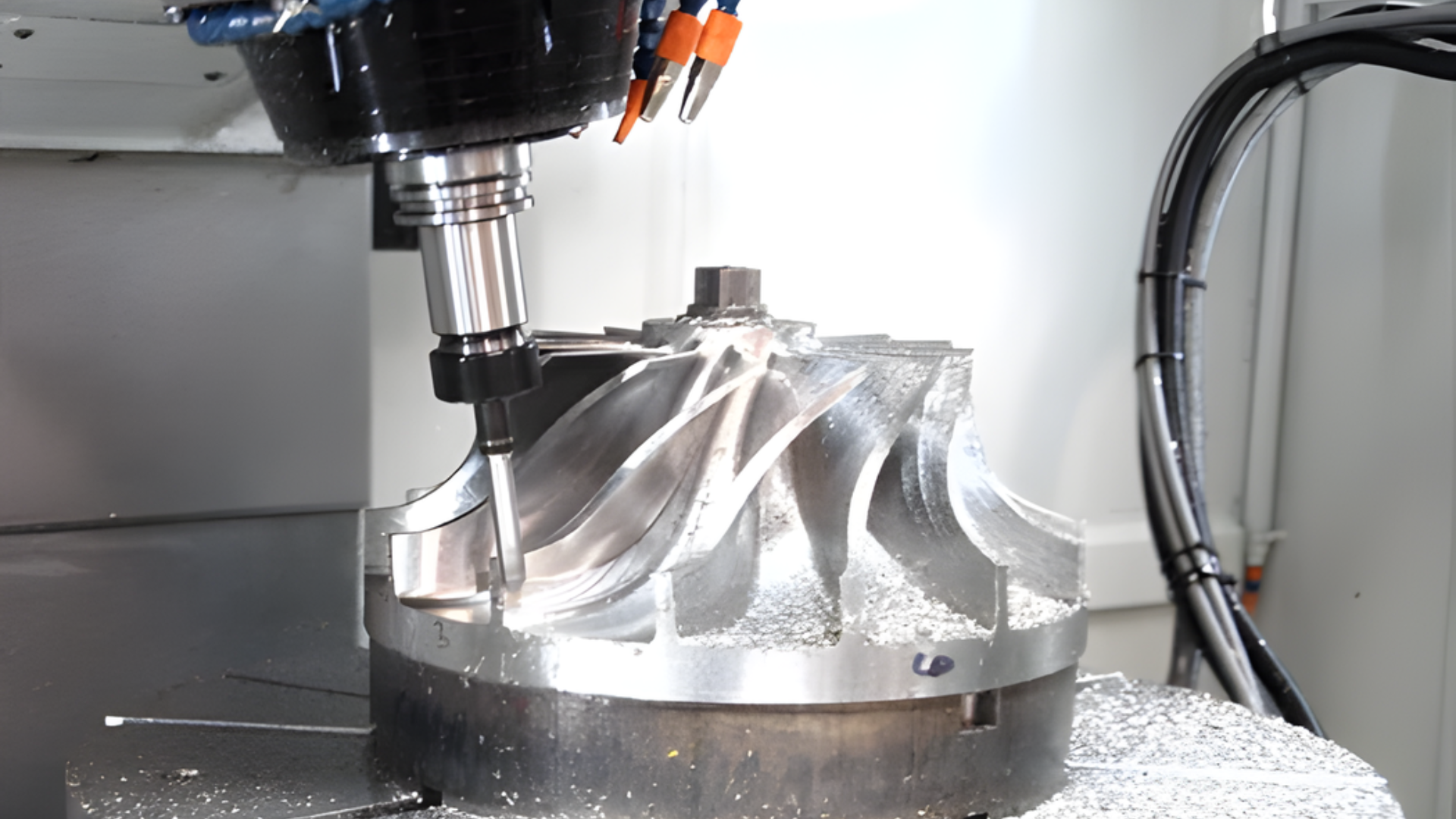
One of the most impactful areas of 5-axis innovation has been in how rotary axes move and synchronize with linear motion. Improvements here directly affect surface quality, accuracy, and process stability.
What Has Improved
Smoother rotary axis motion during simultaneous movement
Better synchronization between linear and rotary axes
Reduced backlash and mechanical variation during complex toolpaths
These changes help maintain consistent tool engagement, especially on curved or angled surfaces.
Why This Matters in Practice
Surface transitions appear more uniform across the contoured geometry
Cutting forces remain more stable, reducing vibration
Tool wear becomes more predictable over longer cycles
For parts with compound angles or sculpted surfaces, these improvements reduce the need for secondary finishing and manual correction.
Where the Impact Is Most Visible
Aerospace brackets and structural components
Medical housings and precision interfaces
Optical mounts and complex enclosures
Advanced motion control does not change part design. It changes how reliably that design can be produced.
By minimizing variation introduced during motion, manufacturers gain confidence that results achieved on the first run can be repeated across subsequent builds without rework.
Smarter CAM, Simulation, and Digital Verification
Another major area of 5-axis innovation sits upstream of the machine. Improvements in CAM software and simulation have changed how reliably complex parts move from design to production.
What Has Changed
Modern CAM systems now account for the full behavior of the machine, not just the toolpath.
Accurate modeling of machine kinematics and limits
Full-machine collision detection, including fixtures and rotary axes
More consistent translation between CAD geometry and machine motion
These capabilities reduce guesswork before cutting begins.
Why Simulation Matters More in 5-Axis
With multiple axes moving simultaneously, small errors can lead to scrap or machine crashes.
Simulation verifies tool access and clearance
Potential collisions are identified before setup
Tool engagement stays more consistent across the cut
This reduces trial-and-error and shortens the path to first-article approval.
Operational Impact
Fewer interrupted runs due to unexpected interference
More predictable cycle times on complex geometry
Reduced reliance on manual adjustments during setup
Smarter CAM and verification do not replace skilled programmers. They support them by reducing uncertainty. For engineering and operations teams, this translates into fewer surprises once production starts.
Single-Setup Strategies and Intelligent Fixturing
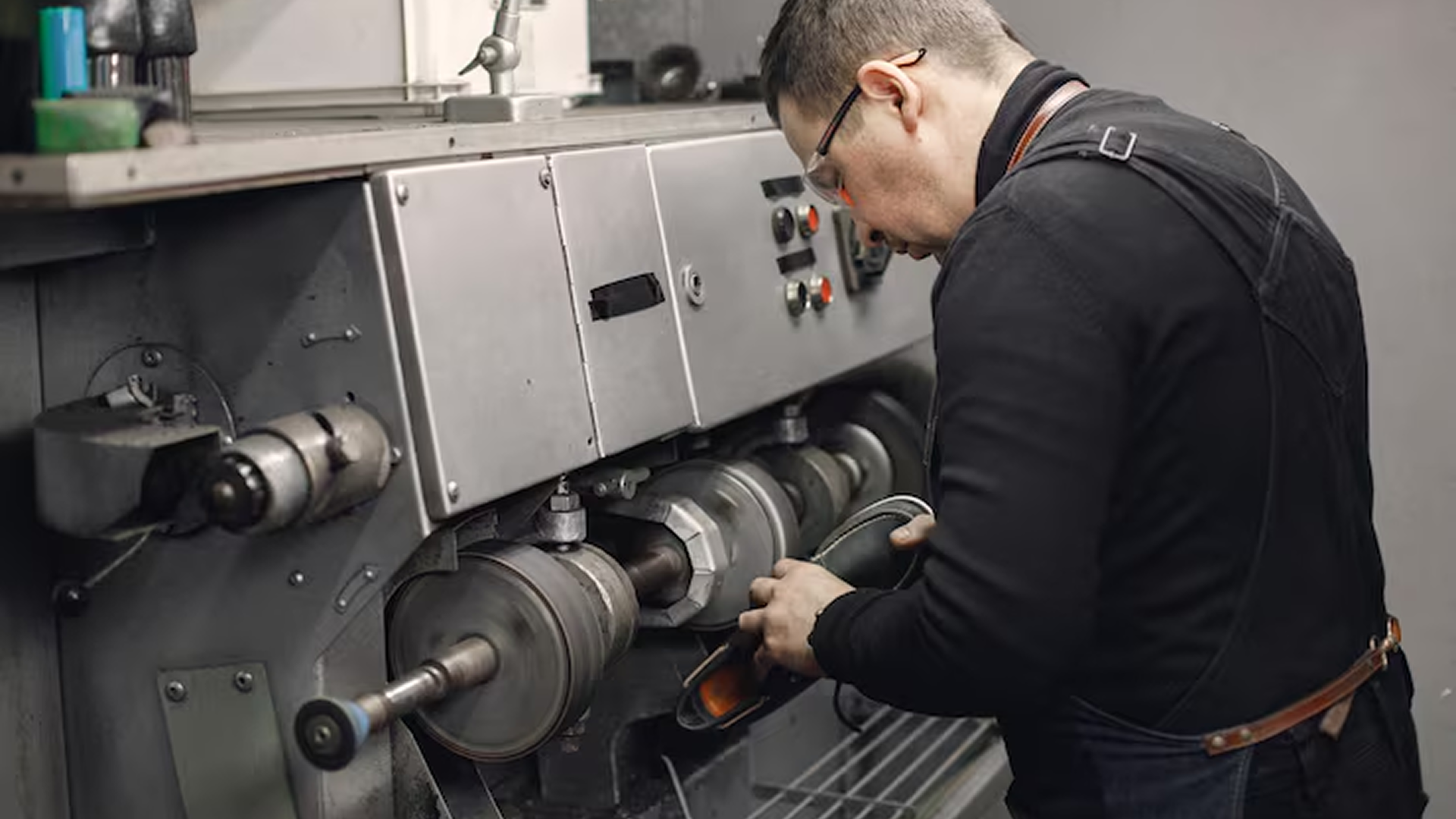
Reducing the number of setups remains one of the most practical innovations in 5-axis machining. Fewer setups mean fewer opportunities for variation.
Shift Toward Single-Setup Machining
Manufacturers are designing processes around completing as much work as possible in one clamping.
Access to multiple faces without repositioning
Better alignment between critical features
Reduced tolerance stack-up
This approach improves consistency across runs and operators.
Advances in Fixturing and Alignment
Innovation here focuses on repeatability rather than complexity.
Modular fixtures that locate parts consistently
Probing-assisted alignment to establish accurate references
Fixtures designed to support inspection as well as machining
These tools reduce setup time while improving confidence in positioning.
Why This Matters at Scale
Lead times shorten as setup steps are eliminated
Inspection results become more consistent
Rework caused by misalignment decreases
Single-setup strategies shift precision control from manual handling to defined processes. In 5-axis machining, this change has one of the largest impacts on quality, throughput, and overall production stability.
Integrated In-Process Probing and Inspection
One of the most practical innovations in 5-axis machining is the integration of inspection directly into the machining process. Instead of treating measurement as a separate step, probing now supports alignment, verification, and control while the part is still in the machine.
How In-Process Probing Is Used
Establishing part position and datums before cutting
Verifying feature locations between operations
Adjusting offsets based on measured results
These steps reduce reliance on manual setup and judgment.
Why This Matters in 5-Axis Work
With complex geometry and multiple orientations, small positioning errors can affect downstream features.
Probing confirms alignment without unclamping
Deviations are identified before additional material is removed
Feature relationships remain consistent across faces
This improves confidence in both machining and inspection outcomes.
Operational Benefits
Fewer scrapped parts due to setup errors
Reduced rework and secondary inspection loops
Better documentation to support quality reviews
Integrated probing helps bring quality control closer to the point of manufacture. For regulated and high-value parts, this innovation supports consistency without slowing production.
Automation and Lights-Out 5-Axis Machining
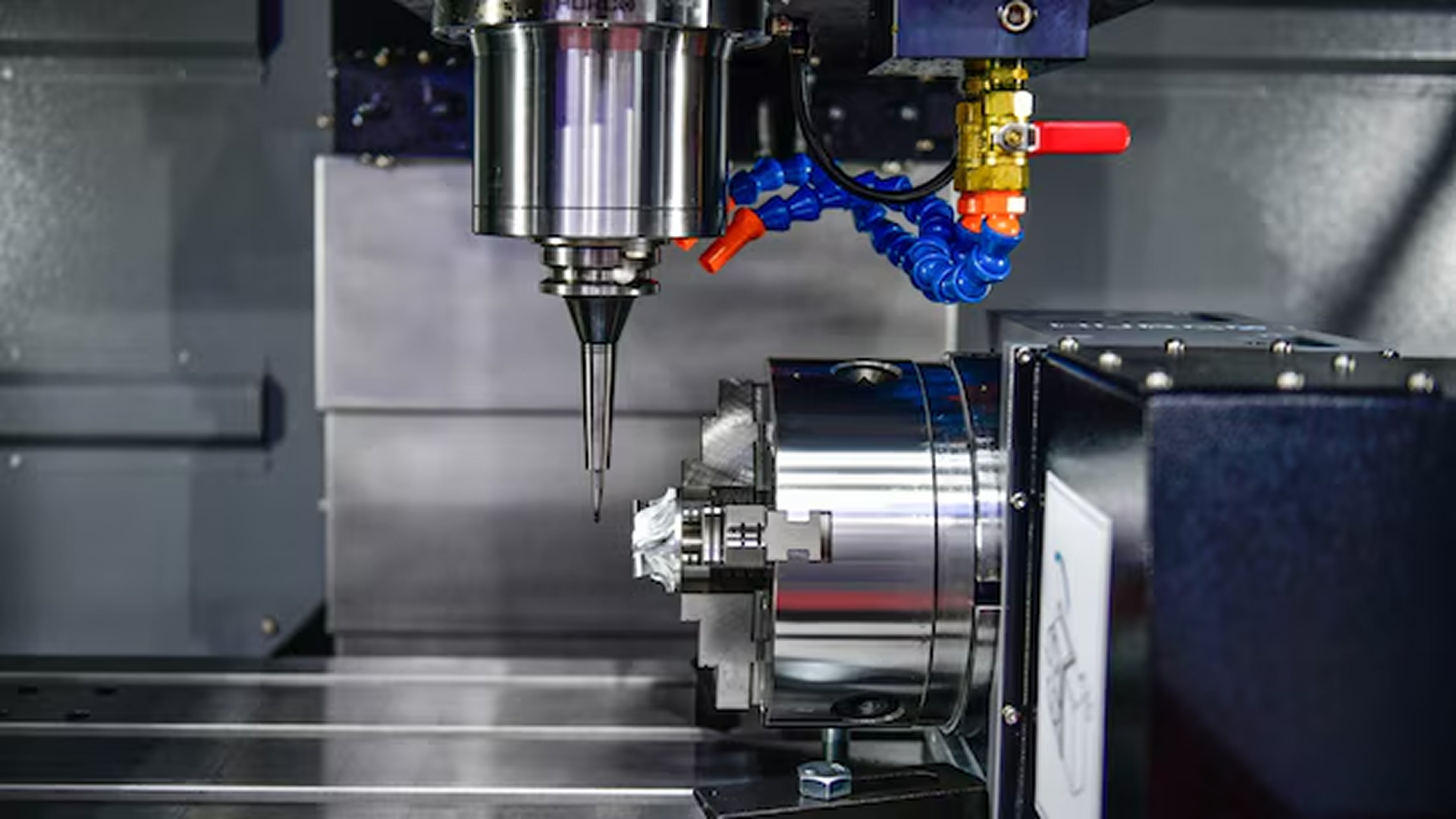
Automation in 5-axis machining has shifted away from complexity and toward reliability. The goal is not unattended operation at all costs, but predictable output with minimal disruption.
Where Automation Adds Value
Pallet systems that support repeatable setups
Tool monitoring to reduce unexpected stoppages
Scheduled unattended cycles during off-hours
These applications focus on stability rather than speed alone.
Why Automation Fits 5-Axis
Complex parts often have longer cycle times. Automation helps maintain spindle utilization without increasing operator workload.
Reduced idle time between jobs
More consistent scheduling
Less pressure on staffing during peak demand
Managing Risk
Successful automation depends on strong fundamentals:
Proven programs
Stable tooling strategies
Reliable probing and inspection
When these elements are in place, lights-out machining supports throughput and schedule control. Without them, automation amplifies risk. Modern 5-axis innovation treats automation as an extension of disciplined processes, not a shortcut around them.
Data, Connectivity, and Predictive Insights
Another meaningful area of 5-axis innovation lies in how machines generate and use data. The focus has shifted from collecting information to applying it in ways that support decision-making and process control.
What Data Is Used For
Monitoring machine health and utilization
Identifying trends in downtime or interruptions
Supporting maintenance planning before failures occur
This visibility helps teams respond to issues earlier rather than reacting after production is disrupted.
Why This Matters in Precision Manufacturing
For complex 5-axis work, unexpected stoppages can affect schedules, tooling, and quality.
Early indicators help prevent unplanned downtime
Historical data support more accurate scheduling
Process stability improves as variability is identified
Keeping Data Practical
The most effective implementations focus on actionable insight.
Clear alerts instead of raw dashboards
Trends tied to maintenance or process decisions
Integration with existing planning workflows
When used correctly, connectivity supports consistency and uptime without adding complexity. Innovation here is measured by clarity and control, not volume of data.
Where 5-Axis Innovations Matter Most by Industry
The impact of 5-axis innovation becomes clearer when viewed through industry-specific needs. Each sector values consistency, but the reasons differ.
Medical Devices
Complex geometry with tight feature relationships
Strong inspection and documentation expectations
Single-setup strategies and probing reduce variation
Aerospace
Compound angles and contoured surfaces
High cost of scrap or rework
Motion control and simulation improve surface continuity
Defense
Controlled processes and traceability requirements
Repeatability across programs and batches
Integrated inspection supports audit readiness
Optics and Photonics
Precise alignment between features
Surface quality affects performance
Stable rotary motion and fixturing reduce rework
Across these industries, innovation supports reliability rather than novelty. 5-axis advancements matter most when they help manufacturers deliver consistent results under tight technical and regulatory expectations.
How Criterion Precision Machining Applies 5-Axis Innovation
5-axis innovation delivers value only when applied within controlled, repeatable systems. Criterion Precision Machining focuses on using advanced capabilities to improve reliability, not complexity.
How Innovation Is Applied
Multi-axis CNC milling for complex, high-tolerance components
Single-setup strategies supported by repeatable fixturing
In-process probing to support alignment and verification
Integrated inspection and documentation aligned with production needs
Why This Matters
Processes remain stable across prototypes and production runs
Inspection results support consistency and traceability
Transition risk is reduced as part complexity increases
Operating within certified quality systems, Criterion applies 5-axis innovation to support regulated manufacturing programs where consistency, documentation, and repeatability define success.
Conclusion
Innovation in 5-axis machining has moved beyond adding capability. Today, it is defined by how well complex work can be controlled, repeated, and supported across production cycles. Advances in motion control, CAM verification, probing, fixturing, and automation all point to the same goal: reducing variation while increasing confidence.
For manufacturers working with tight tolerances, complex geometry, or regulated requirements, the value of these innovations depends on discipline.
When applied within structured processes, they improve surface quality, shorten lead times, and stabilize inspection results. When applied without control, they increase risk.
The most effective 5-axis environments combine advanced technology with defined workflows, inspection integration, and documentation.
Partners such as Criterion Precision Machining focus on this balance, applying innovation in ways that support reliability and compliance rather than complexity. \
In modern manufacturing, excellence is achieved not by what machines can do, but by how consistently they deliver results.
FAQs
1. What qualifies as real 5-axis innovation today?
Real innovation improves consistency, reduces setup dependency, and supports inspection and documentation. New features matter only when they change production outcomes.
2. Do newer 5-axis machines automatically improve quality?
No. Without defined workflows and inspection integration, newer machines often repeat the same errors faster.
3. How does 5-axis innovation reduce tolerance stack-up?
Single-setup machining, probing-based alignment, and better rotary synchronization keep feature relationships intact across multiple faces.
4. Is CAM software as important as the machine itself?
Yes. Accurate simulation and kinematic modeling prevent collisions, reduce trial runs, and improve first-article confidence.
5. Does automation improve reliability or just speed?
Automation improves reliability only when programs, tooling, and inspection are stable. Otherwise, it amplifies variation.
6. How do regulated industries benefit most from 5-axis innovation?
Integrated inspection, documentation, and repeatable setups support audits and reduce nonconformances.
7. When does innovation increase risk instead of reducing it?
When advanced capabilities are introduced before processes are controlled and repeatable.