Even a single prototype that doesn’t reflect production reality can trigger costly delays, force redesigns, and complicate regulatory approvals. In highly regulated industries, such as medical devices, aerospace, defense, and photonics, these mistakes put program timelines, compliance, and product performance at risk.
Many companies make the mistake of focusing on speed, cost, or quick turnaround, only to discover later that their prototypes fail to represent real production performance. Without the right capabilities, tolerances drift, inspection data is incomplete, and design decisions made in the prototype phase may not hold up at scale.
In this guide, you’ll learn how to evaluate prototype manufacturers for precision, production-readiness, and regulatory compliance. We’ll walk through the different types of prototype providers, what capabilities truly matter, and how early supplier decisions can make or break your program.
Key Takeaways
Align prototype objectives with production realities early to prevent costly design or tolerance mismatches.
Evaluate manufacturers based on process control, material fidelity, and embedded traceability, not just speed or cost.
Prioritize partners who offer continuity from prototyping through full-scale production to preserve knowledge and reduce program risk.
Look for proactive engineering support that identifies manufacturability and compliance challenges before they become issues.
Cost transparency reflects maturity: a higher upfront investment in production-ready prototyping helps avoid hidden delays and rework.
Why Choosing the Right Prototype Manufacturer Matters More Than Speed?
When you choose a prototype manufacturer, you are not just buying early parts; you are setting the technical and operational baseline for everything that follows. The decisions made at the prototype stage determine whether your design scales cleanly, passes audits, and performs consistently in production.
If your prototypes are built using shortcuts, uncontrolled processes, or non-representative materials, the data you collect is misleading. Test results may look promising, but they won’t reflect how parts behave once tolerances tighten, volumes increase, and regulatory scrutiny applies. In regulated and mission-critical industries, that gap becomes expensive to close.
A production-ready prototype manufacturer changes the role of prototyping from “fast feedback” to early risk reduction. Instead of discovering problems during the first article inspection or regulatory review, you surface them while changes are still manageable.
When the wrong prototype partner is chosen, the impact typically shows up in predictable ways:
Inconsistent dimensions across builds, forcing you to chase variation instead of refining performance.
Prototype materials or processes that don’t translate to production, invalidating test results.
Missing inspection data and traceability, creating gaps in design history and audit documentation.
Designs that function in prototype form but fail to scale, leading to late-stage rework.
Production delays caused by failed FAIs or requalification, despite “successful” prototype testing.
When the right partner is involved early, the outcome looks very different:
Prototypes are built using production-intent machining processes, not approximations.
Dimensional behavior remains stable across iterations, enabling meaningful validation.
Inspection, documentation, and traceability are established from the start.
Manufacturability issues are addressed before designs are frozen.
The transition to production occurs without supplier handoffs or process resets.
The real value of a prototype manufacturer is not how quickly parts arrive; it’s how accurately those parts represent what you will ultimately produce. Choosing a partner that treats prototyping as the first stage of production, rather than a disconnected exercise, is what keeps programs on schedule and out of corrective mode later.
Types of Precision Prototype Manufacturers
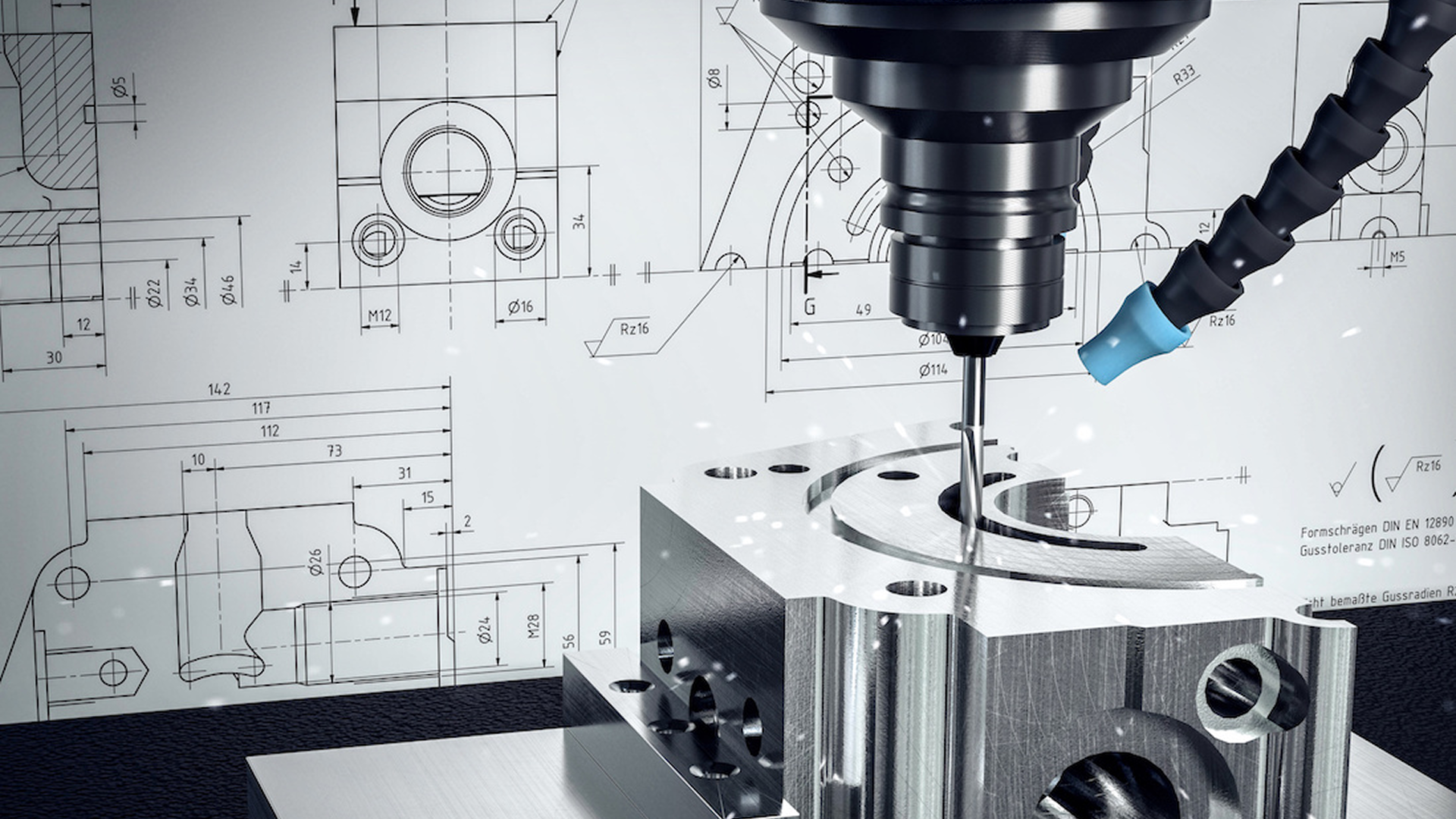
Not all prototype manufacturers serve the same purpose. The right choice depends on what you need the prototype to prove, and how closely it must reflect eventual production. Understanding these differences early prevents mismatches that only surface when designs move toward scale.
At a high level, prototype manufacturers fall into a few distinct categories, each optimized for different stages of development and risk profiles.
Type of Prototype Manufacturer | What They’re Best At | Where They Fall Short | When They Make Sense |
Additive & Rapid Prototyping Providers | Fast turnaround, early form and fit checks, and design visualization. | Limited dimensional accuracy, non-production materials, and poor correlation to CNC production behavior. | Early concept validation, ergonomic studies, and non-functional mockups. |
Prototype Job Shops / One-Off Vendors | Small quantities, basic CNC capability, short-term needs. | Inconsistent repeatability, limited inspection systems, and little scalability. | Simple parts, internal test fixtures, non-regulated applications. |
Digital Manufacturing Platforms & Networks | Speed, online quoting, and access to multiple processes. | Variable quality, limited traceability, and inconsistent supplier continuity. | Early-stage screening, low-risk parts, and cost comparison. |
Production-Capable Precision Prototype Manufacturers | Tight tolerances, production-intent processes, documentation, and scalability. | Not optimized for ultra-low-cost or non-critical work. | Regulated products, mission-critical parts, prototype-to-production programs. |
If your prototype is only meant to confirm basic geometry, speed may be the dominant factor. But once prototypes are used to validate performance, tolerances, materials, or regulatory requirements, the manufacturer's category matters more than lead time.
Problems arise when a prototype built by one type of provider is expected to predict outcomes better suited to another. Additive prototypes rarely replicate the behavior of machined parts. One-off job shops often lack the controls needed to demonstrate repeatability. Networked platforms introduce variability, complicating traceability and accountability.
For programs operating under the FDA, aerospace, defense, or other regulated frameworks, prototypes are often expected to support documentation, inspection records, and future audits. In those cases, production-capable precision prototype manufacturers provide continuity that other categories cannot.
Also Read: How Precision Machining Drives Innovation in Manufacturing
What to Look for in a Production-Ready Prototype Manufacturer?
Prototype programs fail when manufacturers treat prototyping as a shortcut instead of the first controlled phase of production. Speed alone does not validate a design. What matters is whether the prototype process proves that your part can be manufactured repeatedly, inspected reliably, and scaled without surprises.
A production-ready prototype manufacturer assumes that every prototype is a rehearsal for production, not an isolated build. Here’s how to recognize that difference before it costs you time, approvals, or redesigns.
1. Prototype Objectives Defined by Production Reality
Before cutting material, the manufacturer aligns the prototype scope to real production requirements. That means tolerances, materials, surface finishes, and inspection criteria are defined based on how the part must perform at scale, not what’s easiest for a one-off build.
If your production requirement is ±0.0002” on a critical feature, prototype validation must prove that capability under controlled conditions, not just hit the number once.
What to verify at this stage:
Prototype goals explicitly tied to production tolerances and finishes.
Clear definition of which features are function-critical vs reference-only.
Alignment between prototype quantities and planned production ramp.
Validation criteria based on repeatability instead of best-case results.
2. Dimensional Stability Across Iterations
Single-build accuracy is meaningless if dimensions drift across iterations. A production-ready partner demonstrates that critical features remain stable across multiple prototype runs, setups, and revisions.
The real question isn’t whether the prototype meets spec, it’s whether the process does.
What indicates true stability:
Measurement data from multiple prototype builds.
Evidence of consistent results across setups and operators.
Process controls that prevent tolerance creep as quantities increase.
Historical data showing predictable behavior, not isolated success.
3. Production-Intent Materials, Tooling, and Machining Processes
Prototypes must behave like production parts. That only happens when they are machined using comparable materials, tooling strategies, and CNC processes.
Shortcuts, such as substituting materials or simplifying setups, may speed delivery but compromise thermal behavior, surface finish, and geometric accuracy.
What to look for:
Production-grade materials used during prototyping.
CNC turning, Swiss turning, or multi-axis milling consistent with production plans.
Realistic fixturing and toolpath strategies.
Secondary operations were introduced early, not deferred.
4. Inspection, Metrology, and Traceability Built Into Prototyping
Inspection is not a post-production activity. A production-ready prototype manufacturer embeds metrology, traceability, and documentation into the prototype phase so that validation data carries forward.
This is especially critical in regulated industries where prototype builds often support clinical trials, qualification testing, or early regulatory submissions.
Signs of embedded inspection discipline:
Defined inspection plans for prototype parts.
Use of calibrated metrology equipment, not ad hoc checks.
Documented measurement results for critical features.
Traceability linking material, process, and inspection records.
5. Engineering Involvement Beyond Print Execution
Production-ready manufacturers do not operate as order takers. They actively review designs for manufacturability, tolerance risk, and long-term process stability.
Their goal is not just to make the prototype work, but to prevent failures during scale-up.
What engineering engagement looks like:
Feedback on tolerance stack-ups and critical features.
Recommendations on fixturing or feature sequencing.
Input on material selection and surface finish feasibility.
Early identification of cost or yield risks.
6. Controlled Revision and Change Management During Iteration
Prototype programs evolve. What matters is how changes are managed.
A production-ready partner maintains formal revision control so every build reflects the correct drawing, inspection criteria, and process assumptions. Nothing changes informally or without documentation.
What disciplined change control includes:
Version-controlled CAD, CAM, and inspection plans.
Precise tracking of drawing revisions across builds.
Documented rationale for process or tolerance changes.
Full traceability between revisions and physical parts.
7. Cost Structures That Reflect Process Control
Production-ready prototypes are rarely the cheapest option, and that’s intentional. Their pricing reflects real setup time, inspection, tooling, and process discipline.
Low-cost prototypes often hide future expenses in the form of redesigns, failed validation, or production delays.
What transparent cost structure signals maturity:
Quotes that account for setup, fixturing, and inspection.
Realistic assumptions about yield and rework.
Consistent pricing logic between prototype and production.
No unexplained cost drops that suggest skipped steps.
8. Early Visibility Into Program Risk
The most reliable manufacturers surface problems early, before they turn into production failures. They communicate where tolerances are aggressive, where yield may be challenged, and where design adjustments can reduce risk.
Indicators of proactive risk management:
Clear communication about tolerance sensitivity.
Data-backed warnings instead of vague concerns.
Recommendations before issues become failures.
Transparency throughout iteration cycles.
A production-ready prototype manufacturer doesn’t just deliver parts; it offers solutions. They provide predictability, documentation, and continuity from prototype through production.
That distinction determines whether your prototype program accelerates your launch or quietly sets you up for delays, rework, and regulatory setbacks.
Also Read: Aerospace and Defense Industries: How Precision Machining Plays a Crucial Role
What to Avoid When Locking in a Prototype Manufacturer?
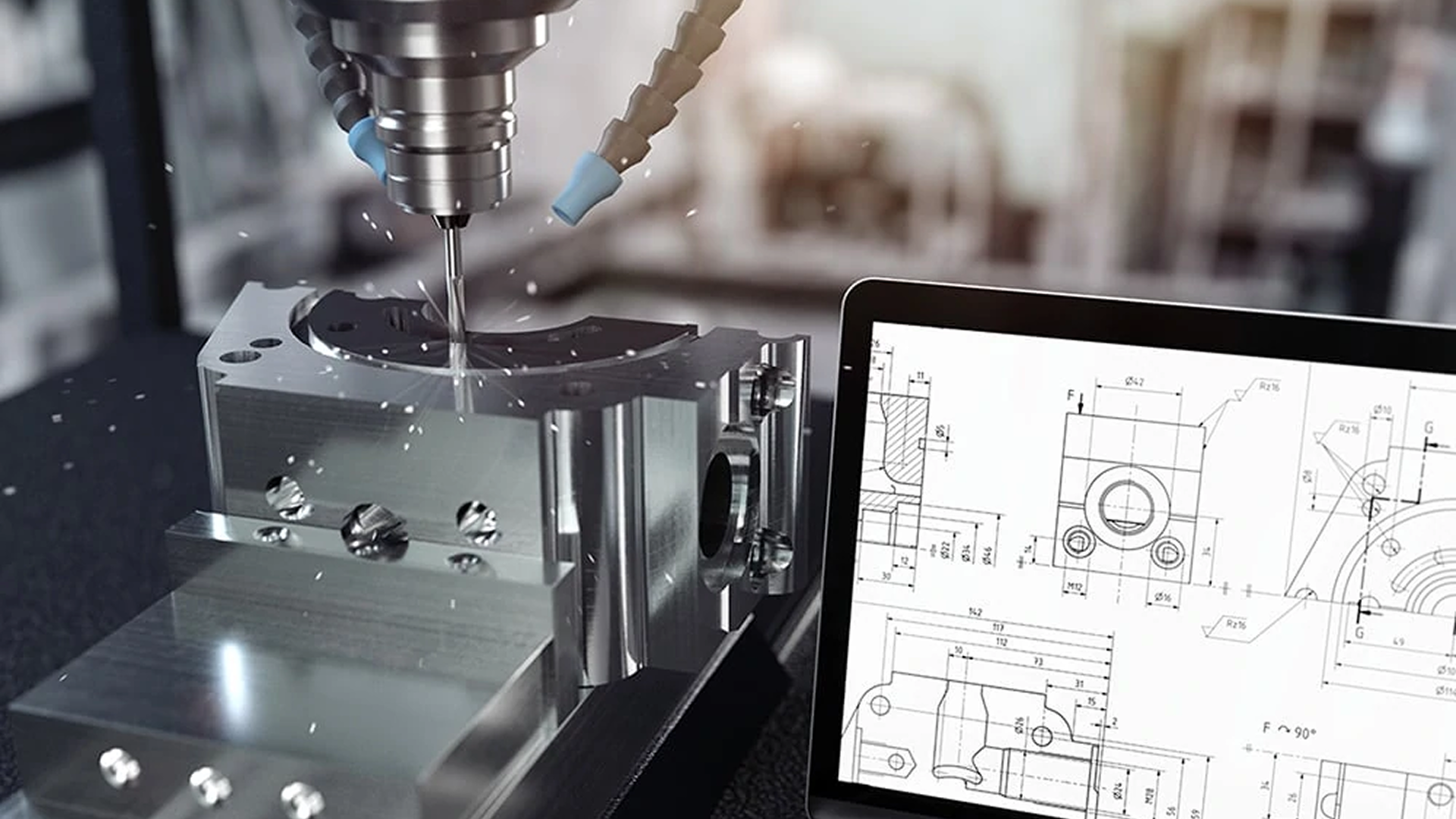
Even minor missteps in selecting a prototype partner can cascade into delays, cost overruns, or regulatory headaches. For medical, aerospace, defense, and optics teams, spotting these warning signs early protects your program and your schedule.
1. Suppliers Who Prioritize Speed Over Accuracy
Fast prototypes are tempting, but if tolerances drift or materials aren’t production-intent, early testing can be misleading. Avoid shops that prioritize lead time over dimensional stability and repeatability.
2. Limited or Inconsistent Documentation
Missing inspection reports, incomplete traceability, or sloppy revision control are red flags. In regulated industries, these gaps can halt approvals or trigger rework. If the manufacturer can’t consistently provide records, move on.
3. No Engineering Support or DFM Feedback
Prototyping isn’t just about cutting parts; it’s your first line of defense against manufacturability issues. Avoid partners who only “execute the print” without reviewing tolerance risks, tooling strategies, or material implications.
4. Poor Revision and Change Management
Designs evolve. If every iteration isn’t version-controlled, from CAD files to inspection plans, you risk building prototypes that don’t match the current design. Avoid manufacturers with informal or ad-hoc change processes.
5. Inability to Scale to Production
If your prototype shop can’t use production-intent processes or doesn’t plan for continuity into full-scale production, you’re setting up a handoff nightmare. Avoid vendors who can’t bridge the gap between prototype and volume builds.
6. Unrealistically Low Quotes
Low cost often hides shortcuts, skipped inspections, substandard materials, or minimal process control. Avoid “too good to be true” pricing. Accurate production-ready prototyping reflects the effort, controls, and documentation necessary to reduce downstream risk.
7. Poor Communication and Transparency
If the manufacturer is vague about capabilities, timelines, or risk areas, your program will suffer. Avoid partners who don’t proactively flag challenges or clarify assumptions.
A prototype manufacturer should reduce risk, not add it. Avoiding these pitfalls ensures your first parts are reliable, compliant, and truly predictive of production performance. The right partner makes the transition to full-scale production smooth; anyone else introduces unnecessary uncertainty.
Criterion Precision: Trusted Production-Ready Prototyping Manufacturer
Criterion Precision Machining is a U.S.-based precision manufacturer with over 70 years of experience supporting programs where tolerances, documentation, and repeatability are critical. Serving medical, aerospace, defense, photonics, and other high-reliability industries, Criterion specializes in prototype and production machining that must perform consistently under regulated conditions.
Rather than treating prototyping as a shortcut, Criterion approaches it as the first controlled phase of manufacturing, applying production-grade processes from the earliest builds.
Here’s how Criterion supports production-ready prototype programs:
Production-Intent Prototyping: Prototype parts are machined using the same methods, controls, and inspection rigor planned for production, ensuring test data accurately reflects scale-up performance.
Swiss Turning & Advanced CNC Machining: Swiss turning, CNC turning, and multi-axis milling support complex geometries and critical features, with tolerances routinely held to ±0.0002″.
Prototype-to-Production Continuity: Programs scale from early prototypes through pilot and full production without supplier handoffs, preserving process knowledge and qualification history.
Material & Process Fidelity: Aluminum, stainless steel, titanium, specialty alloys, and engineered plastics are machined using production-grade tooling, fixturing, and sequencing.
Embedded Inspection & Traceability: In-house metrology, inspection reports, and complete material and process traceability are included by default to support audits and regulatory submissions.
Certified & Compliant Infrastructure: ISO 13485 and ISO 9001:2015 certified, FDA registered, ITAR and DFARS compliant, and WBENC certified, operating within regulated quality systems on every build.
Engineering-Led Manufacturability Support: Early DFM engagement identifies tolerance risks, yield constraints, and scale-up challenges before they affect validation or production.
Criterion supports teams who need prototype parts that behave like production parts, reducing risk, preserving validation integrity, and enabling smoother transitions.
Conclusion
Selecting the right prototype manufacturer is a strategic decision that shapes the reliability, compliance, and scalability of your product program. It’s all about ensuring your prototypes truly reflect production performance, minimizing risk, and avoiding costly setbacks down the line.
At Criterion Precision Machining, we provide production-ready prototyping while adhering to ISO 13485, ISO 9001, FDA, ITAR, and DFARS standards. Our engineering-led approach ensures your prototypes use production-intent materials and processes, are fully documented, and maintain dimensional stability across iterations.
Take the first step toward reliable, compliant prototypes. Contact us today to discuss your program requirements and work with a partner who delivers parts you can trust from prototype through full production.
FAQs
1. How long does it typically take to scale a prototype to production?
Scaling depends on complexity, materials, and regulatory requirements. Working with a production-capable manufacturer can reduce lead times by preserving knowledge and using consistent processes from the start.
2. Can a prototype manufacturer support low-volume production runs?
Yes, manufacturers with production-intent processes can handle low to medium volumes while maintaining tolerances, inspection standards, and regulatory compliance before full-scale production begins.
3. Which industries benefit most from production-ready prototype manufacturers?
Medical devices, aerospace, defense, photonics, and high-precision instrumentation benefit most due to regulatory scrutiny, tight tolerances, repeatability requirements, and the need for audit-ready documentation.
4. How do certifications impact prototype manufacturing?
Certifications like ISO 13485, ISO 9001, FDA, ITAR, and DFARS ensure manufacturers meet quality, regulatory, and security standards, reducing the risk of compliance issues during product development and production.
5. How can engineering collaboration improve prototype outcomes?
Close engineering involvement from the manufacturer helps identify manufacturability risks, optimize tolerances, and refine processes early, preventing costly rework or delays in scale-up.