In high-stakes industries like medical devices, aerospace, and defense, even the smallest deviation in a component can halt production, trigger costly rework, or compromise safety. Engineering teams, supply chain managers, and quality leaders constantly face the challenge of sourcing machined parts that meet exact specifications while maintaining consistent performance.
Tight tolerance machining is crucial for companies that cannot afford field failures or audit issues. By controlling dimensions with extreme precision, manufacturers can reduce scrap, maintain throughput, and keep lead times predictable. With the precision parts market projected to surpass $320.51 billion by 2029, delivering this level of accuracy has become an essential requirement.
Working with experienced precision machining partners ensures consistent results, minimizes supplier risk, and supports smoother transitions from prototype to full-scale production. This guide explores the essentials of tight tolerance machining, covering practical aspects of design, materials, processes, inspection, cost considerations, and strategies for achieving reliable precision.
Key Highlights:
CNC milling provides precision, repeatability, and process control that allow manufacturers to reduce scrap, maintain tight tolerances, and keep production on schedule.
Different machine types: 3-axis, 4-axis, 5-axis, vertical, horizontal, and gantry mills, support a wide range of geometries and production volumes while delivering consistent quality.
Core milling processes like face milling, contouring, drilling, pocketing, and finishing enable manufacturers to meet functional, dimensional, and regulatory requirements across industries.
Smart design decisions around tolerances, materials, geometry, and workholding help manufacturers reduce rework, improve manufacturability, and maintain stable production for medical, aerospace, defense, and industrial parts.
What Tight Tolerances Really Mean?
Tight tolerances refer to the allowable deviation in a component’s dimensions from its nominal design. In practical terms, this measures how closely the manufactured part matches the intended size, geometry, and surface finish.
For example, a tolerance of ±0.0005 inches indicates that the part must fall within half a thousandth of an inch of the specified dimension. These limits ensure parts fit assemblies correctly, operate smoothly, and maintain functional integrity.
Achieving tight tolerances matters because:
Dimensional Accuracy: Tight tolerances specify the exact allowable deviation from design dimensions, ensuring parts fit precisely within assemblies and maintain functionality in regulated applications.
Consistency Across Production: Achieving tight tolerances ensures repeatable manufacturing, which is critical when parts are used in life-critical or mission-critical systems.
Regulatory Compliance: Many customers, especially in medical and defense sectors, require documented proof that components meet ISO, FDA, ITAR, or DFARS standards. Tight tolerances support compliance by reducing variability and non-conformances.
Reduced Rework and Scrap: Maintaining precision reduces the likelihood of rejected parts, minimizing scrap, rework, and inspection failures, which can otherwise disrupt supply chains.
Assembly Reliability: Parts produced within tight tolerances integrate seamlessly into larger systems, avoiding field failures or functional misalignments in critical equipment.
Key Factors That Influence Achieving Tight Tolerances
Several variables affect the ability to maintain tight tolerances in CNC machining:
Machine Accuracy and Rigidity: CNC machines must maintain stable, precise movements. High-quality machines with minimal vibration and thermal drift enable consistent results.
Tooling and Tool Wear: Cutting tools must be carefully selected for material type and geometry. Worn tools can cause dimensional drift and surface defects.
Material Characteristics: Machining affects metals and plastics differently, with harder materials requiring slower feed rates and softer materials prone to deformation.
Thermal Management: Heat generated during machining can expand or contract materials. Proper cooling, spindle management, and environmental controls reduce thermal effects.
Fixturing and Part Holding: Accurate and stable workholding prevents part movement during machining, which is critical when tolerances are in the thousandths of an inch.
Operator Skill and Programming: Experienced machinists can optimize tool paths, select feeds and speeds, and adjust processes to consistently meet tolerance targets.
In the following section, let's explore what standard CNC machining typically delivers in terms of tolerance.
Also Read: How Precision Machining Drives Innovation in Manufacturing
Standard CNC Machining Tolerance Capabilities
Standard CNC machining provides reliable dimensional control for a wide range of industrial and automotive components, depending on part size, material, and complexity. These capabilities are suitable for parts where moderate precision meets performance, allowing manufacturers to maintain consistent production without excessive scrap or rework.
Machine capabilities include:
Machine Type | Ideal Applications |
3-axis milling | Housings, brackets, panels |
5-axis milling | Complex aerospace components |
CNC turning | Shafts, bushings, simple cylindrical parts |
Swiss turning | Medical device pins, small high-volume parts |
Standard machining tolerances support efficient prototyping, predictable assembly, and streamlined quality inspections. By utilizing these processes, engineering and supply chain teams can optimize throughput, minimize downtime, and balance cost and performance effectively.
For industries that require micron-level precision, standard capabilities often fall short, creating the need for specialized high-precision processes.
High-Precision CNC Tolerances for Specialized Applications
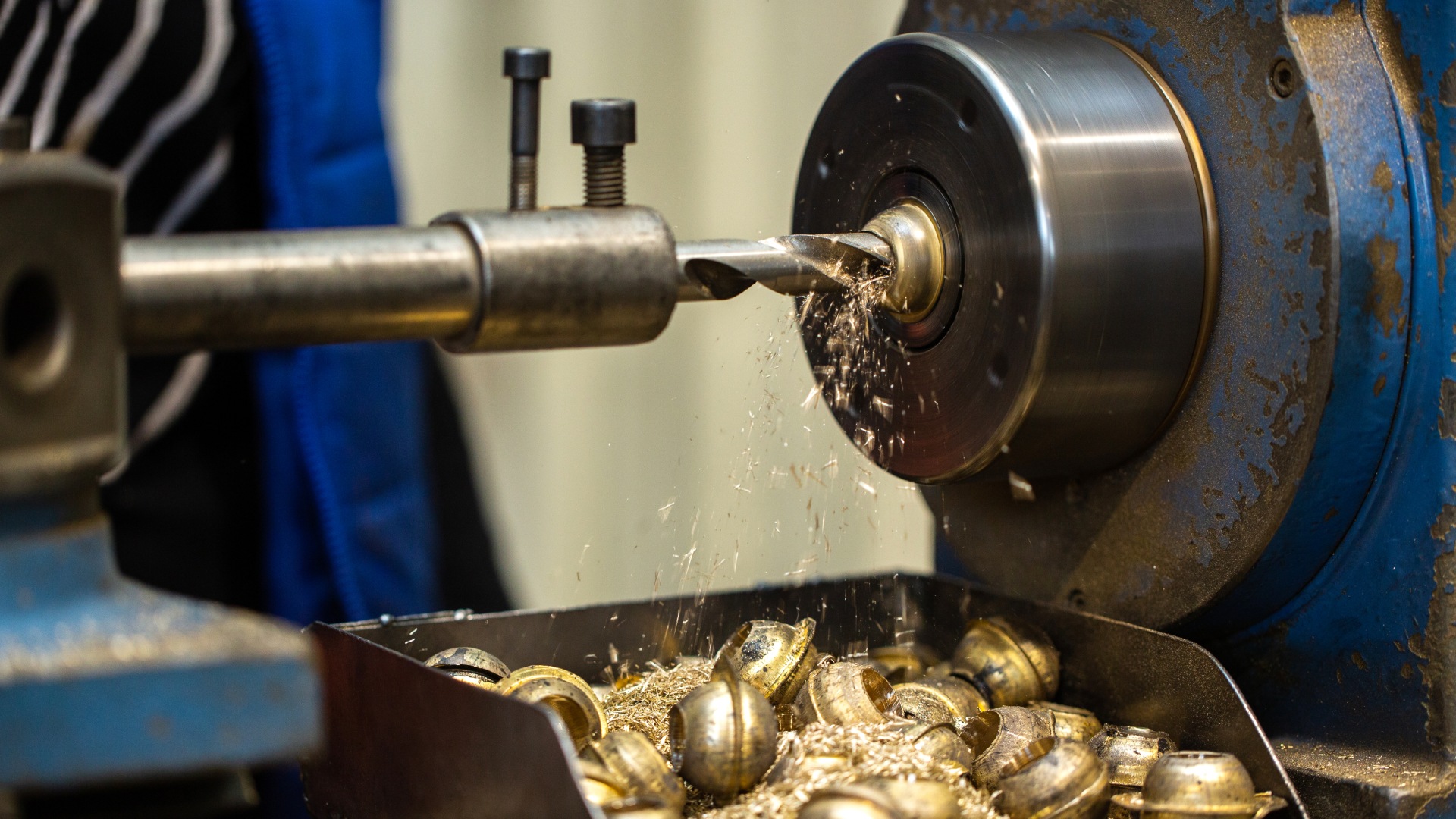
Certain industries demand tolerances far tighter than standard CNC machining can achieve. High-precision machining delivers tolerances down to ±0.0002 inches.
Industries utilizing high-precision CNC machining include:
Industry | Components Requiring High Precision |
Aerospace | Turbine engine parts, actuators, housings, fuel system components |
Medical Devices | Orthopedic implants, surgical instruments, and diagnostic device components |
Automotive (Performance & EV) | Powertrain parts, electric motor housings, battery interfaces |
Semiconductor / Electronics | Heat sinks, connectors, micro-machined components |
Defense Systems | Fire-control systems, optical mounts, weapon components |
Robotics & Automation | Gear components, sensor housings, alignment-critical parts |
Achieving high precision CNC tolerances requires a combination of machine stability, high-quality tooling, careful fixturing, and environmental control to manage thermal expansion and vibration. This level of precision helps reduce scrap, prevent field failures, and maintain regulatory compliance, which is vital in mission-critical industries.
Next, let's see how different materials influence your ability to hit those tolerances.
Materials and Their Impact on Precision
Material choice strongly affects how easily machinists can achieve tight tolerances. Each material reacts differently under cutting forces, heat, and tooling wear:
Metals (Aluminum, Stainless Steel, Titanium, Inconel): Metals differ in machinability and heat behavior. Aluminum cuts easily but expands with heat, while stainless steel, titanium, and superalloys need controlled cutting to maintain precision.
Engineering Plastics (POM, PEEK, Nylon, PTFE): Plastics are easy to machine but sensitive to heat and moisture. Stable plastics like PEEK or POM hold tolerances better, while softer materials may warp without controlled environments.
Composites (Carbon Fiber, Glass-Filled Resins): Composites are strong but abrasive and inconsistent. Their layered structure requires careful tooling and slower cutting to avoid delamination and tolerance variation.
Hardened Steels and Tool Steels (4140, D2, H13): These durable materials cause high tool wear and heat buildup. Achieving precision often requires rough machining, heat treatment, and final finishing passes.
Copper Alloys (Brass, Bronze, Copper): Copper alloys generally machine cleanly and maintain accuracy. Brass and bronze perform well, while pure copper needs sharp tools to prevent drag and dimensional drift.
By understanding material properties, engineers and machinists can choose the right cutting parameters, fixturing methods, and inspection approaches to hit required tolerances.
In the next section, let's look at design considerations that help achievable tolerances that balance performance and cost.
Also Read: Aerospace and Defense Industries: How Precision Machining Plays a Crucial Role
Designing for Manufacturability: How to Specify Tolerances Wisely
Effective tolerance specification starts at the design stage. Overly tight tolerances increase cost and complexity, while loose tolerances can compromise function.
Best practices include:
Base tolerances on true functional needs: Tighten tolerances only where performance depends on exact fit or alignment. This avoids unnecessary machining effort and keeps production efficient.
Match tolerances to material behavior: Different materials react to heat, stress, and machining forces in unique ways. Set tolerance ranges that account for expansion, warping, or hardness to maintain dimensional accuracy.
Use GD&T for clearer communication: Apply GD&T to define precision requirements, like true position or flatness, more clearly than simple numeric tolerances. This reduces ambiguity and ensures consistent results.
Minimise cumulative tight tolerances: Avoid placing strict tolerances on every feature. Focus precision only where it truly affects function to reduce cost and complexity.
Design tolerances around machining capability: Ensure tolerance requirements align with what CNC milling, turning, EDM, or grinding can reliably achieve to prevent extra finishing steps or rejected parts.
Factor in inspection requirements early: Ultra-tight tolerances may require advanced metrology tools. Choosing measurable tolerances reduces delays and supports smoother quality control.
Provide clear intent in drawings: Highlight critical dimensions, acceptable deviations, and finish expectations so machinists can plan accurate setups and avoid rework.
By balancing design intent with realistic machining capabilities, companies can optimize costs, maintain throughput, and ensure reliable performance. Next, let's discuss machining techniques that help manufacturers consistently achieve tight tolerances.
Techniques for Achieving Tight Tolerances
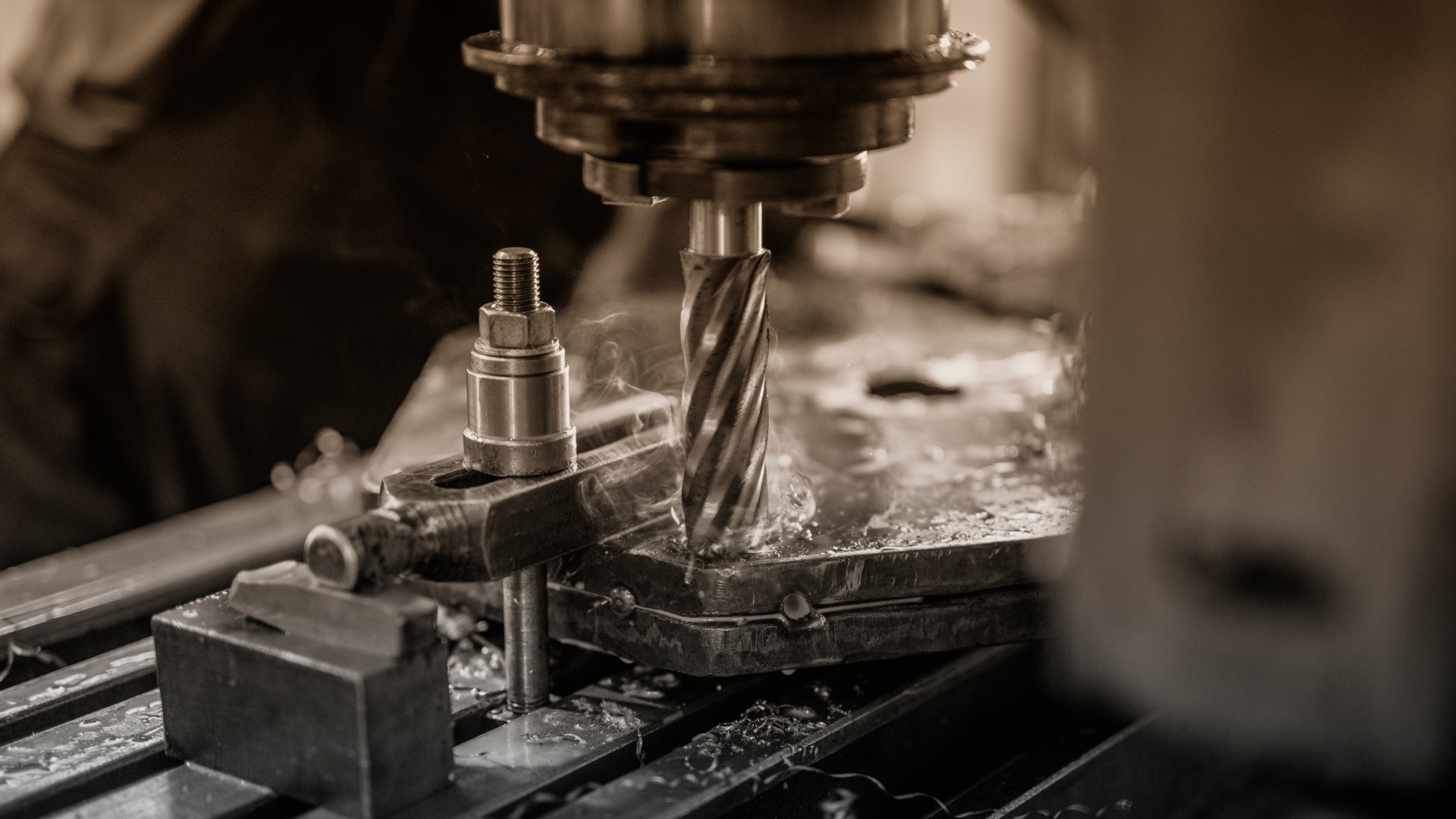
Several advanced machining techniques help manufacturers achieve tight tolerances consistently and reliably.
Common techniques include:
CNC Turning
CNC turning is ideal for producing cylindrical and rotationally symmetric parts with high repeatability. By precisely controlling tool paths and speeds, CNC turning achieves smooth finishes and maintains tight dimensional tolerances. It’s commonly used for shafts, bushings, and other components where roundness and concentricity matter.
Swiss Turning
Swiss turning is designed for small-diameter, high-precision components. It ensures concentricity and extremely tight tolerances on intricate features, making it ideal for high-volume production of parts like medical devices or miniature aerospace fittings.
Multi-Axis & 5-Axis Milling
Multi-axis and 5-axis milling allow complex, multi-dimensional components to be machined in fewer setups. These techniques reduce human error, improve geometric accuracy, and maintain tight tolerances across complicated surfaces. They are ideal for brackets, sensor housings, and precision structural components in aerospace and defense.
Fine Fixturing and Tooling
Rigid fixturing and sharp, high-quality cutting tools prevent vibration and movement during machining. Proper workholding ensures parts remain stable, which directly impacts precision. Selecting, maintaining, and calibrating tools reduces variation across production runs.
Temperature-Controlled Machining
Material expansion due to heat can affect dimensional accuracy. Temperature-controlled environments stabilize machines and materials, ensuring predictable results. Consistent ambient conditions are essential for high-precision components made from metals and engineered plastics.
In-Process Inspection
Continuous inspection during production helps identify deviations before parts are completed. Coordinate Measuring Machines (CMMs), laser measurement tools, and optical comparators can detect discrepancies early, reducing scrap and rework. Integrating inspection into the machining process ensures parts meet specifications consistently.
Employing these techniques strategically ensures both prototype and production parts meet stringent specifications without excessive scrap or rework. Next, let's break down how precision requirements affect overall cost and production planning.
Cost Implications of Tight Tolerance Machining
Tight tolerance machining provides high precision and reliability, but it comes with higher costs compared to standard machining. Understanding where costs arise helps manufacturing teams plan budgets, timelines, and process strategies effectively.
Cost Factor | Practical Implications |
Setup & Programming | Longer setup increases labor cost and lead time, especially for complex geometries. |
Tooling & Tool Wear | Frequent tool replacement adds to operational cost and can affect consistency if not managed. |
Machine Time & Speed | Longer machining cycles reduce throughput and increase machine utilization cost. |
Inspection & QA | Adds overhead for labor, calibration, and reporting, but ensures regulatory compliance and reduces the risk of rejects. |
Scrap & Rework Risk | Additional cost for rework or scrap underscores the need for process control and experience. |
Despite higher upfront costs, tight tolerance machining can reduce the total cost of ownership by lowering rework, improving yield, and preventing field failures.
In the following section, let's discuss the challenges that can impact precision work.
Challenges in Tight Tolerance Machining
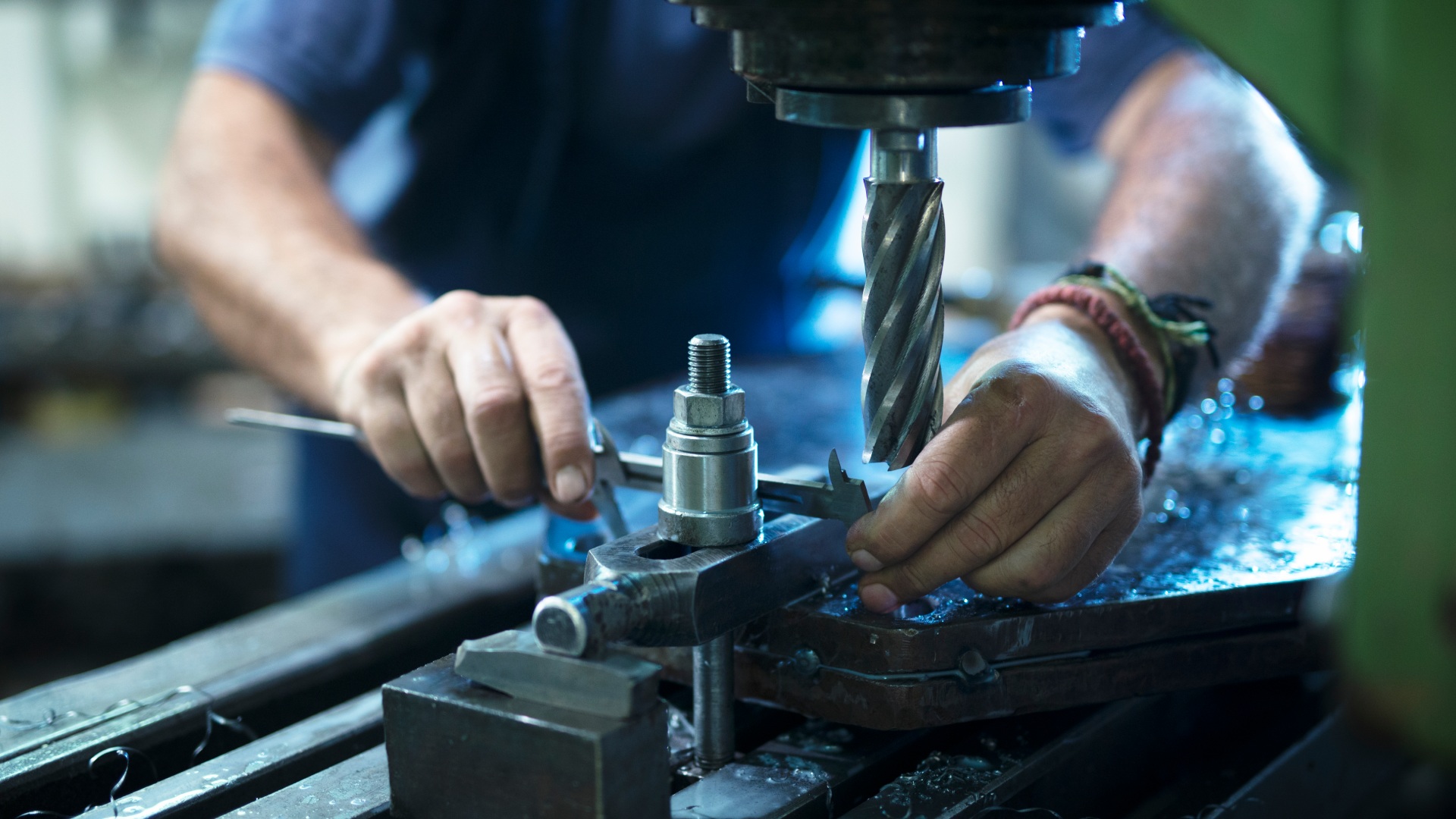
Even with the best setups and experienced teams, manufacturers face several challenges in consistently delivering tight-tolerance parts. Common issues include:
Tool wear and deflection: Continuous cutting can alter dimensions if tooling is not monitored and replaced promptly, affecting repeatability.
Material variability: Differences in hardness, composition, or batch consistency can impact precision, requiring careful material selection and control.
Thermal effects: Heat generated during machining causes expansion or contraction, which can shift tolerances if environmental and machine conditions are not managed.
Inspection and documentation: High-tolerance components demand detailed inspection, traceability, and certification to meet regulatory and customer requirements.
Process consistency: Maintaining uniform quality across prototypes and production runs requires robust process control, experienced operators, and advanced CNC capabilities.
These challenges underscore why tight tolerance machining cannot be taken lightly. It requires experience, discipline, and consistent process control.
How Criterion Precision Can Support High-Tolerance Manufacturing?
Criterion Precision Machining helps manufacturers achieve tight tolerances reliably through a combination of advanced capabilities, material expertise, and quality systems:
Here’s how we can help you:
Advanced CNC & Swiss Turning Capabilities: Precision machining down to ±0.0002” using multi-axis milling and Swiss-style turning ensures consistent part accuracy, even for small-diameter or complex components.
Material Expertise Across Metals & Plastics: Experienced in machining aluminum, stainless steel, titanium, specialty alloys, and engineered plastics, Criterion selects the right approach to minimize thermal expansion, tool wear, and dimensional drift.
End-to-End Quality Assurance & Compliance: ISO 13485, ISO 9001, FDA, ITAR, and DFARS certified processes provide traceable inspection reports and documentation for regulated industries.
Prototype-to-Production Continuity: Supports single-piece prototypes and high-volume production within the same quality framework, reducing risk from handoffs between different suppliers.
Engineering Guidance & Manufacturability Support: Offers design-for-manufacturability advice, tolerance stack-up analysis, and material recommendations to optimize yield and reduce rework.
Reliable Lead Times & Production Stability: Integrated CAD/CAM/ERP workflows ensure predictable schedules, low scrap, and reduced production downtime.
By combining technical expertise with process rigor, Criterion supports companies in reducing scrap, stabilizing lead times, and achieving reliable, high-quality parts consistently.
Conclusion
Tight tolerance machining is essential for producing high-precision components that perform reliably in critical applications. Achieving consistent accuracy requires careful consideration of materials, design-for-manufacturability, advanced machining techniques, and stringent inspection processes.
By focusing on measurable impacts such as downtime reduction, scrap minimization, yield improvement, and lead time stability, manufacturers can make better operational decisions and maintain product quality. Collaborating with experienced partners like Criterion Precision Machining helps organizations manage complex tolerances across prototypes and production parts while maintaining regulatory compliance and traceability.
Contact us today to discuss your high-precision machining needs and explore solutions tailored to your mission-critical components.
FAQs
1. How can tool deflection be minimized in precision work?
Tool deflection can be reduced by shortening tool overhang, using rigid tool holders, optimizing feed rates, and selecting appropriate cutting tools. Increasing spindle stability, using balanced tooling, and applying proper coolant also help maintain accuracy during high-precision machining.
2. What inspection methods ensure tight tolerances?
CMMs, laser scanners, optical measurement systems, and high-precision gauges ensure tight tolerances by verifying dimensions with micron-level accuracy. Surface profilometers and in-process probing further validate parts during machining, reducing errors and ensuring every feature remains within specified limits.
3. How does surface finish impact tight tolerance requirements?
Surface finish affects how precisely two surfaces mate or move. Poor finishes can introduce friction, distortion, or dimensional errors, even if tolerances are met. A controlled finish ensures consistent accuracy, reduces wear, and supports stable performance in high-precision assemblies.
4. What role does machine rigidity play in precision parts?
Machine rigidity ensures stable cutting conditions by minimizing vibration, thermal drift, and structural deformation. Rigid machines maintain tool paths accurately even under heavy loads, allowing manufacturers to achieve repeatable, high-tolerance results and consistent surface finishes across complex geometries.
5. How to avoid tolerance stacking in designs?
Tolerance stacking can be minimized by using datum-based dimensioning, reducing unnecessary chain dimensions, and applying GD&T to control critical features. Modular design, functional dimensioning, and tighter control on key interfaces further prevent cumulative inaccuracies in complex assemblies.