Swiss machining is a specialized manufacturing process known for delivering exceptional precision and reliability, capable of producing components with extremely tight tolerances and smooth surface finishes. In industries where accuracy is non-negotiable, such as medical devices, aerospace, defense, photonics, and high-precision instrumentation, even the slightest slip in precision or tolerance drift can lead to costly product failures, compliance issues, or safety risks.
Suppliers failing audits can also result in serious setbacks. Swiss machining addresses these challenges by providing superior stability during production, ensuring consistent quality, regulatory compliance, and repeatability even for intricate miniature components. As modern products become smaller and more complex, engineering teams increasingly rely on Swiss machining to meet demanding performance requirements.
In this blog, we will explore how Swiss machining helps prevent these issues, outlining its key advantages, applications, and design considerations.
Key Takeaways
Precision and Stability: Swiss machining is known for its ability to deliver micro-level tolerances (as tight as ±0.0001 inches), making it ideal for industries like medical, aerospace, and defense, where precision is non-negotiable.
Multi-Operation Efficiency: Swiss machines can perform various operations (turning, milling, drilling) in a single cycle, reducing the need for multiple setups and ensuring consistent part quality across production runs.
Ideal for Complex, Small Parts: The method excels at machining components with small diameters, long geometries, and intricate details, particularly in industries demanding high repeatability and stringent regulatory compliance.
Regulatory Compliance: Swiss machining supports industries that require certifications like ISO, FDA, ITAR, and DFARS, ensuring products meet safety and quality standards.
Cost and Time Efficiency: By consolidating operations and enhancing precision, Swiss machining reduces scrap rates, minimizes setup times, and increases throughput, offering cost-effective solutions for mass production.
What is Swiss Machining?
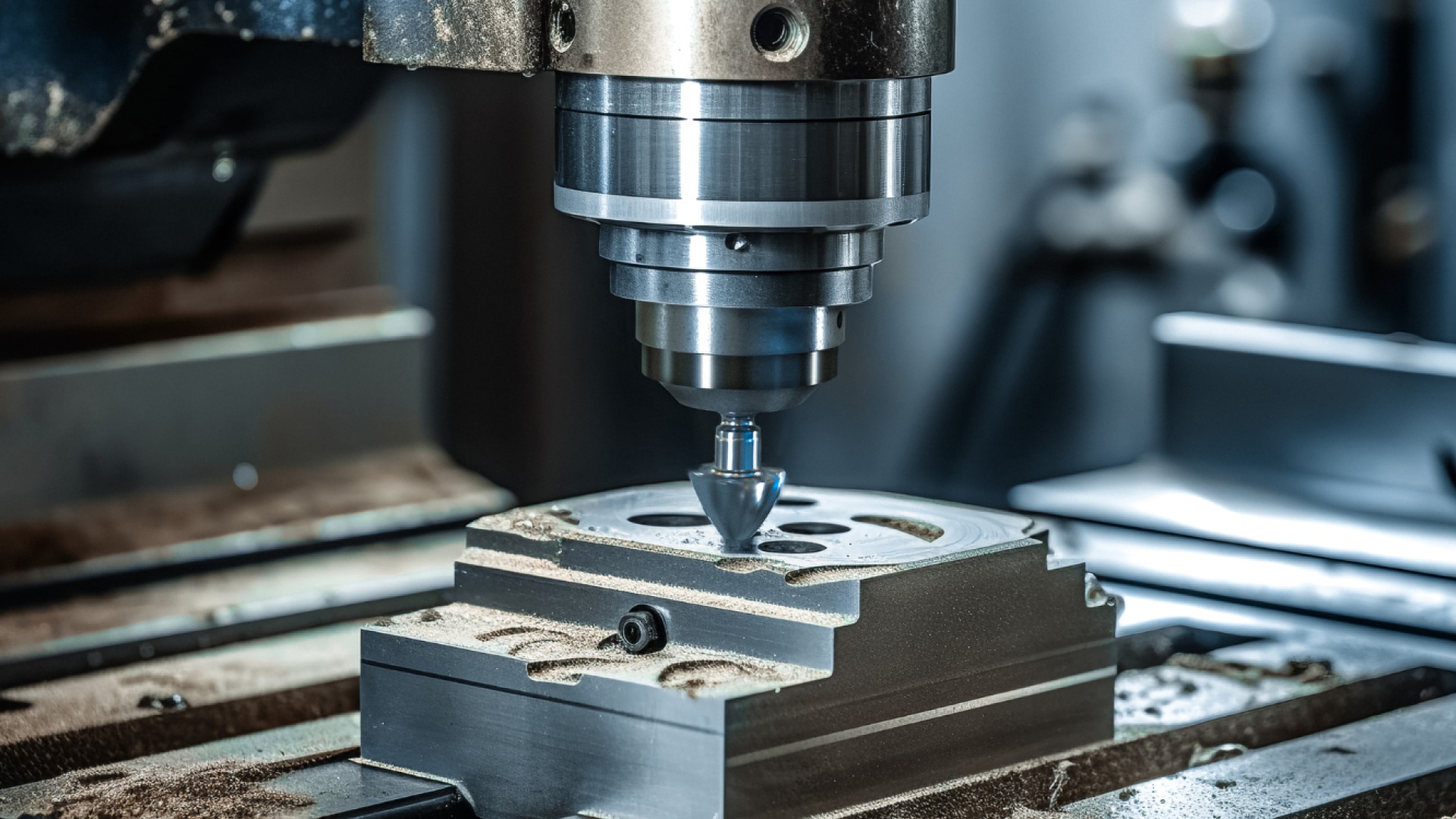
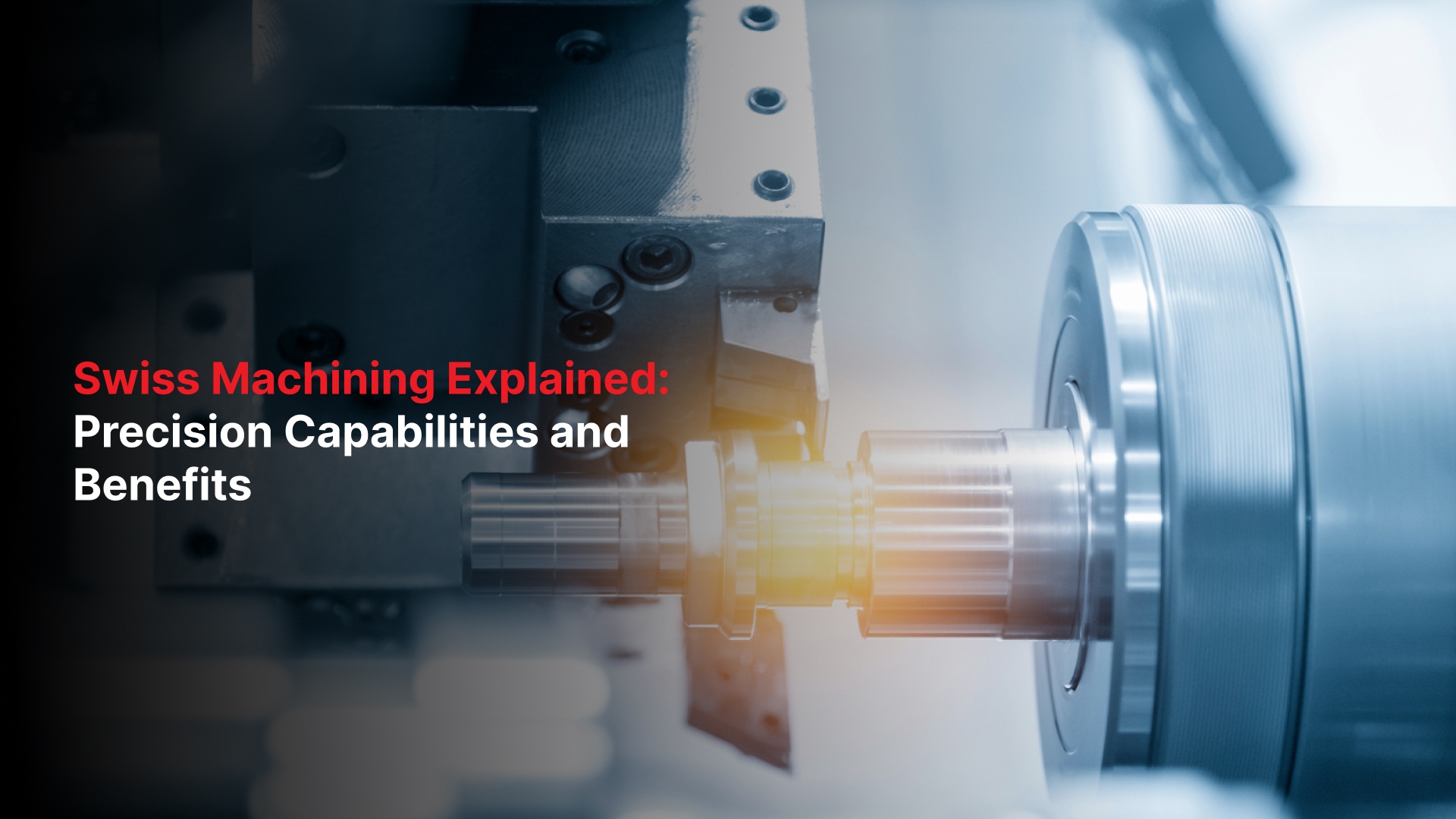
Swiss machining, originally developed for watchmaking, is now used across industries that demand tight-tolerance components. Unlike traditional CNC turning, Swiss machines stabilize the material with a guide bushing and allow the headstock to move, resulting in exceptional accuracy for slender or intricate parts. This makes it ideal for components with demanding geometries, long aspect ratios, or extremely small diameters.
Origin and Evolution of Swiss Turning
Swiss machining began in Switzerland’s watchmaking industry to manufacture tiny, highly detailed gears and shafts. Over time, the process evolved into a modern CNC-driven technology capable of micro-level precision for medical implants, aerospace sensors, defense components, and optical hardware.
Swiss Machining vs. Conventional CNC Turning
Conventional turning keeps the part stationary, which increases the risk of vibration and deflection. Swiss turning uses a sliding headstock and guide bushing that support the part very close to the cutting tool. This stabilizes the workpiece, allowing accurate machining of long, slender, or delicate components that would be difficult to produce on a standard lathe.
Why Swiss Machining Is Preferred
Swiss machining excels with small-diameter parts, long features, miniature details, and multi-operation geometries. It performs several operations in a single cycle, producing a finished part without requiring multiple setups, increasing both precision and production efficiency.
Also Read: How Precision Machining Drives Innovation in Manufacturing
Core Precision Capabilities of Swiss Machining
Swiss machining delivers micro-level tolerances, advanced multi-axis flexibility, and consistent part quality across large production runs. These capabilities are essential for industries where precision cannot be compromised, and documentation must match strict regulatory or audit requirements.
Let's look at the details:
Ultra-Tight Tolerances
Swiss machines can consistently hold tolerances as tight as ±0.0001 inches (±2.5 microns). This level of precision is necessary in applications such as implantable medical components, aerospace sensing hardware, and defense guidance mechanisms, where even minimal dimensional errors could create system failures.
Operational Impact: Tighter tolerances lead to fewer non-conformance reports (NCRs), ensuring higher product reliability and compliance.
Complex Geometries in a Single Setup
Many Swiss machines feature 12 or more axes, allowing operators to perform milling, drilling, threading, knurling, and slotting during one continuous cycle. This eliminates multiple setups, reduces the risk of dimensional shift, and ensures complex components such as photonics housings or surgical instruments are produced with consistent accuracy.
Operational Impact: Fewer setups result in less inspection rework, improving efficiency and reducing production time.
High Repeatability for Production Runs
Swiss machining offers excellent part-to-part consistency, making it ideal for large production programs. OEMs benefit from low scrap rates, predictable quality, and reduced inspection overhead, especially when manufacturing components with recurring demand and zero-failure tolerance.
Operational Impact: High repeatability supports stable long-term programs, ensuring reliable production schedules and cost control.
Superior Surface Finishes
Swiss turning produces excellent surface finishes suitable for medical implants, optical hardware, and fluidic components. The smooth finish reduces friction, improves performance, and often removes the need for secondary polishing or grinding, helping reduce overall production time.
Operational Impact: Superior surface finishes reduce the need for secondary operations, cutting down processing time and costs.
Micromachining Capabilities
Swiss machines can produce features as small as 0.5 mm in diameter while maintaining dimensional accuracy. This capability is crucial for micro-instrumentation, photonics systems, and minimally invasive medical devices where component size and precision directly affect performance.
Operational Impact: Micromachining capabilities enable the production of highly precise small components, ensuring high performance and reliability in sensitive applications.
Benefits for Mission-Critical Industries
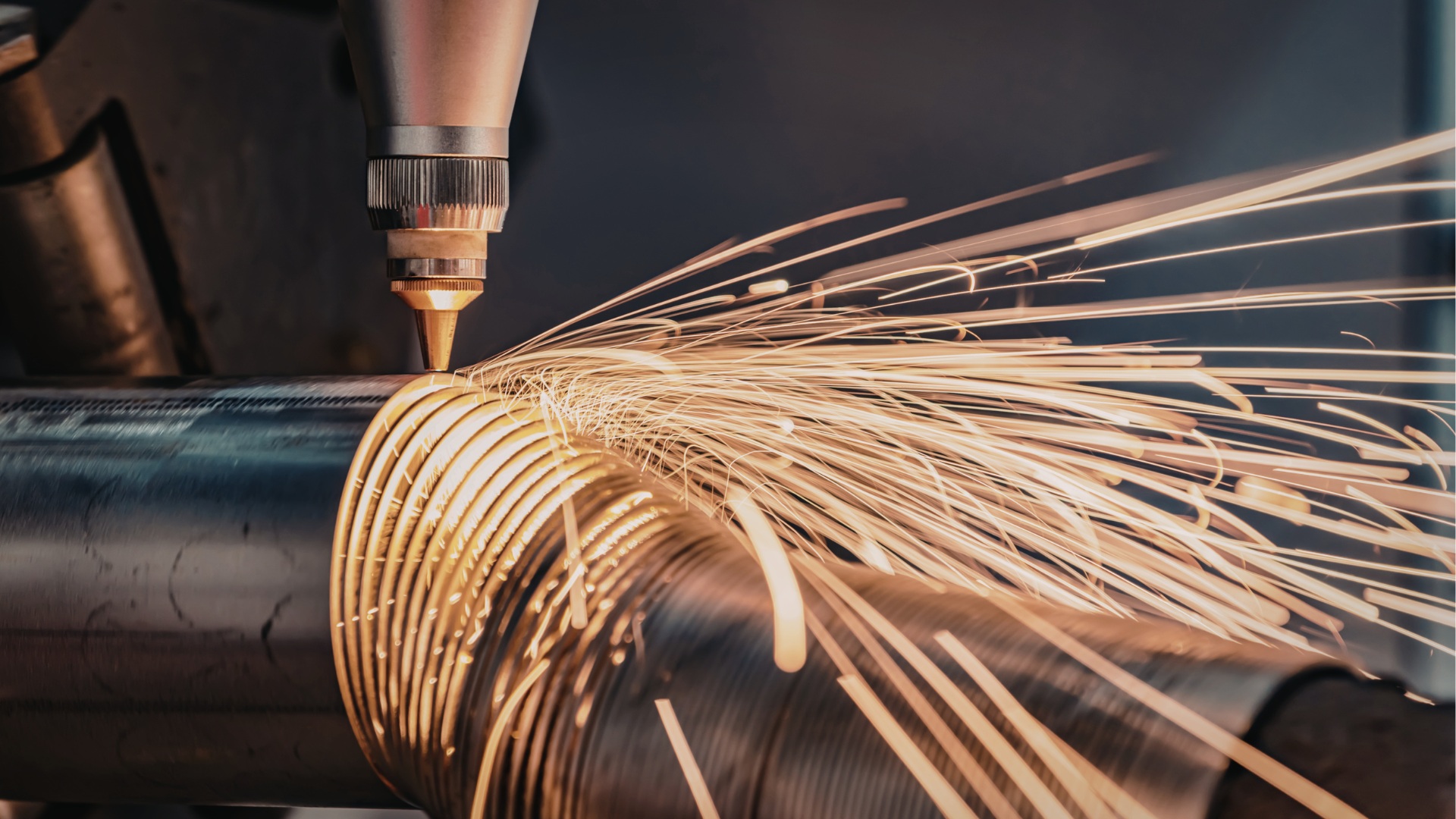
Swiss machining is widely used in industries that require absolute reliability. Its precision and consistency minimize the risk of failures in surgeries, flight operations, defense systems, and optical assemblies. This makes Swiss machining a trusted solution for mission-critical engineering applications.
Here are the benefits of Swiss machining:
Swiss machining is used for medical implants, surgical tools, and diagnostic instruments, ensuring high precision and repeatability that align with FDA expectations. This level of precision directly addresses critical industry pain points such as audit failures and product recalls.
The ability to maintain tight tolerances ensures patient safety and device reliability. Additionally, the process supports full documentation, lot traceability, and validation requirements (IQ, OQ, PQ), which mitigates risks associated with non-compliance and regulatory scrutiny.
Aerospace companies rely on Swiss machining to produce lightweight brackets, sensor housings, and small components for aircraft systems. The tight tolerances are vital in preventing issues like vibration and part drift, which can directly impact flight performance.
By using Swiss machining, aerospace manufacturers can ensure consistent performance under demanding environmental conditions, addressing the risk of component failure that could compromise safety or operational efficiency.
Swiss machining is essential for producing ITAR-controlled parts, including sensing assemblies, weapon subsystems, guidance components, and connector bodies. The process ensures rugged reliability and high precision, critical to meeting the demanding performance standards of military-grade hardware.
It helps mitigate risks associated with ITAR compliance and traceability gas, ensuring all parts are fully documented and meet strict defense standards.
Swiss machining is used to create precision housings, alignment features, sleeves, and mounts for optical systems. With exceptional concentricity and detail, the process ensures the thermal stability and perfect alignment required for accurate optical performance in lasers, imaging systems, and photonics instruments.
This addresses misalignment sensitivity in optical systems, where even the smallest deviation can lead to significant performance issues or system failure.
High-Precision Industrial and Instrumentation
Swiss machining supports metrology hardware, automation systems, and scientific instruments where small tolerances and dimensional stability are essential. Producing multi-feature parts in a single operation also reduces assembly complexity and inspection time.
Also Read: Aerospace and Defense Industries: How Precision Machining Plays a Crucial Role
Why Swiss Machining Fits Mid-Market to Enterprise-Level Organizations?
Swiss machining is well-suited for mature OEMs and enterprise customers who depend on regulated, repeatable, and highly traceable production. It integrates seamlessly with formal supply-chain systems, engineering controls, quality workflows, and long-term manufacturing programs.
Here's why:
Scalable for Recurring Production
Swiss machining accommodates everything from prototypes to large-scale production, making it ideal for companies managing annual programs or multi-year product cycles.
Strong Supply-Chain Integration
Swiss machining aligns with enterprise-level ERP, QA, procurement, and documentation processes. This ensures clean data flow, predictable scheduling, and frictionless supplier communication.
Collaboration With Engineering Teams
Engineering departments benefit from direct support for design-for-manufacturability, material selection, tolerance guidance, and prototype building that transitions smoothly into full production.
Long-Term Vendor Partnerships
Swiss machining supports predictable capacity, consistent quality, and stable lead times, which allow OEMs to build reliable long-term supplier relationships.
Swiss Machining vs. Traditional CNC Technologies
Swiss machining stands out from traditional turning and multi-axis milling by offering unique advantages for precision, slender geometries, and complex multi-operation processes. It’s particularly valuable when large quantities of intricate designs are required, often providing a more cost-effective solution in these scenarios.
When to Choose Swiss Machining
Swiss machining is ideal for components that have:
Small diameters
Long, unsupported lengths
Multi-operation requirements
Sub-micron tolerance specifications
Choose this technology when your project demands high precision and efficiency for small, complex parts.
Cost Efficiency with Swiss Machining
Swiss machines are designed to perform multiple operations in a single cycle. This reduces the need for multiple setups, increases throughput, and minimizes scrap rates, making it a highly cost-effective solution for mass production of complex parts.
Enhancing Swiss Machining with Hybrid Workflows
Swiss machining can be integrated with secondary processes, such as 5-axis milling or specialized finishing, to meet sophisticated design or surface requirements. This hybrid approach enhances flexibility and precision, ensuring the best results for advanced manufacturing needs.
How to Determine If Swiss Machining Is Right for Your Application?
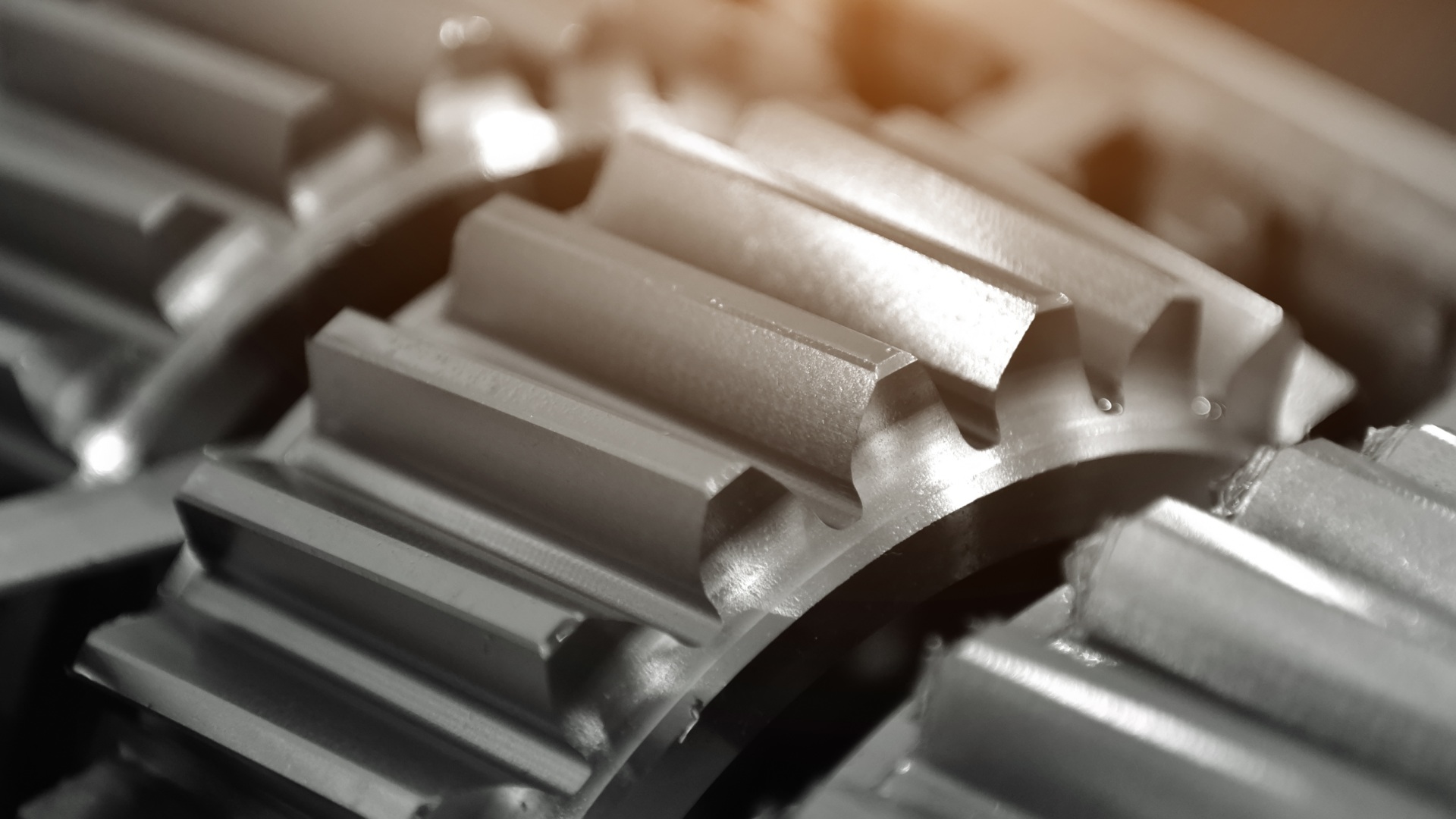
Swiss machining is the right choice when your component design requires small diameters, tight tolerances, or multiple features that must be produced in a single uninterrupted process. The following checklist helps determine whether your part is an ideal candidate.
Checklist for Engineers and Supply-Chain Teams:
Extremely Tight Tolerances Below ±0.0005 Inches
Swiss machining excels at producing parts with micro-level accuracy. The guide bushing stabilizes the material very close to the cutting tool, reducing vibration and movement. This allows the machine to consistently hold tolerances far tighter than traditional CNC machining, making it ideal for components that must fit, function, or seal perfectly.
Long or Slender Geometry That Could Deflect
Thin or elongated parts often bend, chatter, or distort when machined using standard equipment. Swiss machines solve this by supporting the workpiece along its entire length as it is being cut. This continuous support prevents deflection, resulting in straighter, more precise features even on delicate geometries.
Multiple Features Such as Threads, Slots, and Cross-Holes
Swiss machines are multitasking systems capable of turning, milling, drilling, threading, and more in a single setup. This reduces the need for multiple machines or operator intervention. As a result, complex components with several features can be completed efficiently, accurately, and with minimal variation between parts.
Recurring Production Quantities or Long-Term Support
Swiss machining is designed for high-volume, repeatable production. Once a program is dialed in, the machine can run consistently with very little adjustment, making it ideal for ongoing production runs. This reliability ensures cost-effectiveness and part-to-part consistency across thousands or millions of components.
Documentation, Such as Lot Traceability, FAIs, or PPAPs
Many Swiss machining suppliers maintain structured quality systems and documentation processes. They can track material lots, verify first article inspections, and provide PPAP packages when required. This level of documentation ensures quality control, regulatory support, and full transparency throughout the production lifecycle.
Compliance with ISO, FDA, ITAR, or DFARS Requirements
Industries like medical, aerospace, and defense require strict adherence to regulatory standards. Swiss machining providers often maintain certifications such as ISO 9001 or ISO 13485 and comply with FDA guidelines for medical components. Defense-related parts may require ITAR and DFARS compliance. These certifications ensure that the machining process and supply chain meet rigorous quality, safety, and security requirements.
How Criterion Precision Excels in Swiss Machining for High-Reliability Industries?
Swiss machining demands unwavering precision for small-diameter, intricate parts where deflection or inconsistency isn't an option. In medical devices, aerospace, defense, and photonics, suppliers often falter on repeatability, tight tolerances, or documentation. Criterion Precision eliminates that risk with guide-bushing Swiss technology, certified quality systems, and production-scale capabilities.
Here’s how Criterion delivers Swiss machining excellence:
Swiss Turning: Handles miniature, high-aspect-ratio components with tolerances to ±0.0002", minimizing deflection on long, slender features for implants, fasteners, and optical housings.
Complex Features in One Setup: Cross-drilling, milling, slotting, and threading on 3-9 axis Swiss machines reduce setups, stack-up errors, and secondary operations for intricate defense and aerospace parts.
Full Material Range: Machines stainless steel, titanium, aluminum, specialty alloys, and engineered plastics with consistent surface finishes and performance in harsh environments.
Quality & Compliance: ISO 9001:2015, ISO 13485, FDA-registered, ITAR/DFARS-compliant, with CMM inspection, traceability, and full documentation standard.
Prototype to Production Scale: Single-piece prototypes transition seamlessly to low/mid-volume runs without process changes, preserving tolerances and accelerating programs.
Quality Inspection: In-process metrology and reports ensure every Swiss-turned part meets specs before shipment.
Criterion Precision turns Swiss machining into a reliable foundation for mission-critical components, precise, traceable, and ready to scale.
Conclusion
Swiss machining continues to shape the future of advanced manufacturing, enabling engineering teams to achieve the precision, complexity, and repeatability required in today’s high-performance industries. As tolerances shrink, product expectations rise, and compliance pressure intensifies, Swiss machining remains a cornerstone of innovation. Furthermore, with trends in supplier consolidation, the need for reliable, high-precision partners has never been greater.
At Criterion Precision, we combine cutting-edge equipment with deep industry expertise to meet these evolving demands. Our capabilities, certifications, and commitment to quality ensure that every component we produce meets strict performance and compliance requirements, providing the reliability and consistency required in these rapidly changing markets.
Ready to precision-machine your Swiss-turned components? Contact Criterion Precision today to discuss your project and experience tolerances you can trust.
FAQs
1. Can Swiss machining handle complex geometries?
Yes. Swiss machines can create threads, cross-holes, slots, knurls, tapers, and milled features, often in one setup.
2. What industries commonly use Swiss-machined parts?
Swiss machining is widely used in medical devices, aerospace, defense, photonics, electronics, automotive, and high-precision instrumentation.
3. Why choose Swiss machining over traditional CNC machining?
Swiss machines offer superior control for small, intricate, or slender components. They minimize part deflection, reduce setup time, and allow multiple operations in a single cycle, improving precision and production efficiency.
4. How tight are the tolerances achievable with Swiss machining?
Swiss machining routinely holds tolerances below ±0.0005 inches, making it ideal for micro-precision components.