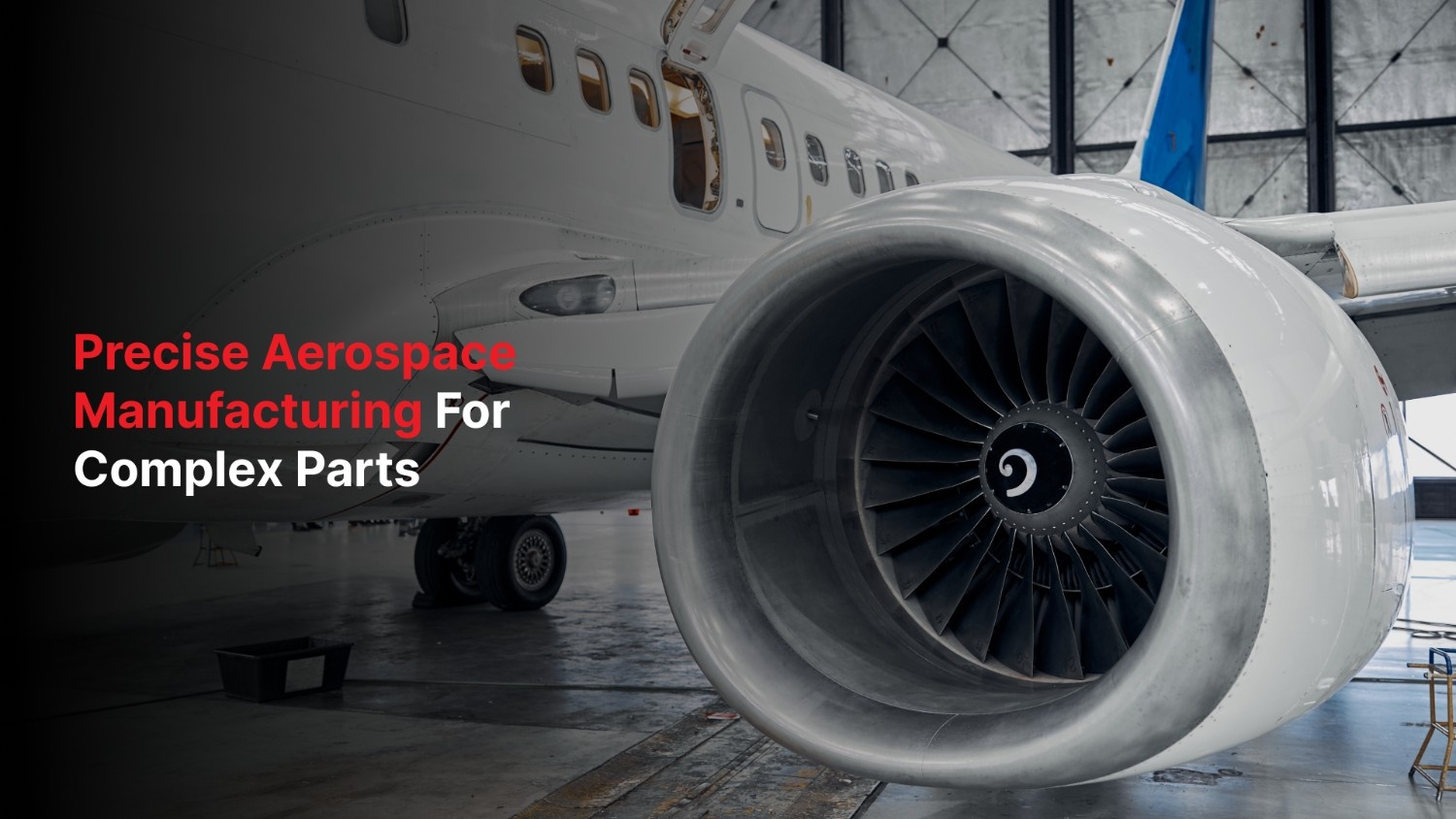
The Aviation Manufacturing Market is projected to grow to $674.19 billion by 2034. Yet behind these numbers lies a reality that keeps engineering and procurement teams awake. A single supplier's faulty component can ground entire fleets. It can cut delivery forecasts by double digits.
When a machined part fails in aviation, the consequences extend far beyond scrap and rework. Delays cascade through certification pipelines. Audits expose documentation gaps that halt production lines. Field failures trigger recalls that destroy years of reliability data.
If you're accountable for bringing flight-ready components into regulated supply chains, you already know the stakes. "Close enough" tolerances become expensive problems once parts reach altitude. This is why aviation manufacturing demands more than capability. It requires systems built around traceability, repeatability, and zero-failure tolerance. This discipline must hold from the prototype through full-rate production.
In this article, you'll learn what separates aviation-grade manufacturing from standard machining. You'll discover which processes deliver flight-ready precision. And you'll understand how to identify manufacturing partners who protect design intent and audit outcomes before problems surface downstream.
In a Nutshell
Aviation manufacturing centers on risk control. Precision, repeatability, and traceability protect programs from delays, audit failures, and in-service issues.
Prototype builds must reflect production reality. Using production-capable processes early prevents requalification, tolerance drift, and redesign during scale-up.
Small components carry critical system impact. Brackets, housings, fittings, and sensor mounts require the same level of precision and inspection as structural parts.
Quality systems and documentation drive acceptance. AS9100 compliance, first article inspection, and material traceability determine whether parts enter regulated supply chains.
Manufacturing continuity reduces long-term program risk. Consistent processes from prototype through production preserve design intent and ensure repeatable performance.
What Is Aviation Manufacturing?
Aviation manufacturing refers to the production of components for aircraft and related systems, where precision, consistency, and traceability are required at every stage.
Unlike general machining, aviation manufacturing is not just about making a part to print once. Parts must:
Perform under constant vibration, temperature changes, and mechanical stress.
Fit correctly across assemblies built over long production runs.
Remain dimensionally stable and auditable years after delivery.
In aviation programs, even small components, such as brackets, housings, fittings, or sensor mounts, can directly affect system performance and reliability. That’s why aviation manufacturing emphasizes tight tolerances, controlled processes, and documented quality systems.
Another key difference is accountability. Aviation parts are typically produced within regulated supply chains, where manufacturers are expected to:
Maintain material and process traceability.
Provide inspection and certification documentation.
Support audits, first article inspections, and ongoing quality reviews.
For engineering, quality, and supply-chain teams, aviation manufacturing is less about speed or unit cost and more about reducing risk. A reliable manufacturing partner helps ensure parts behave consistently from prototype through production, without introducing variability that can delay programs or create compliance issues.
Key Processes in Aviation Manufacturing
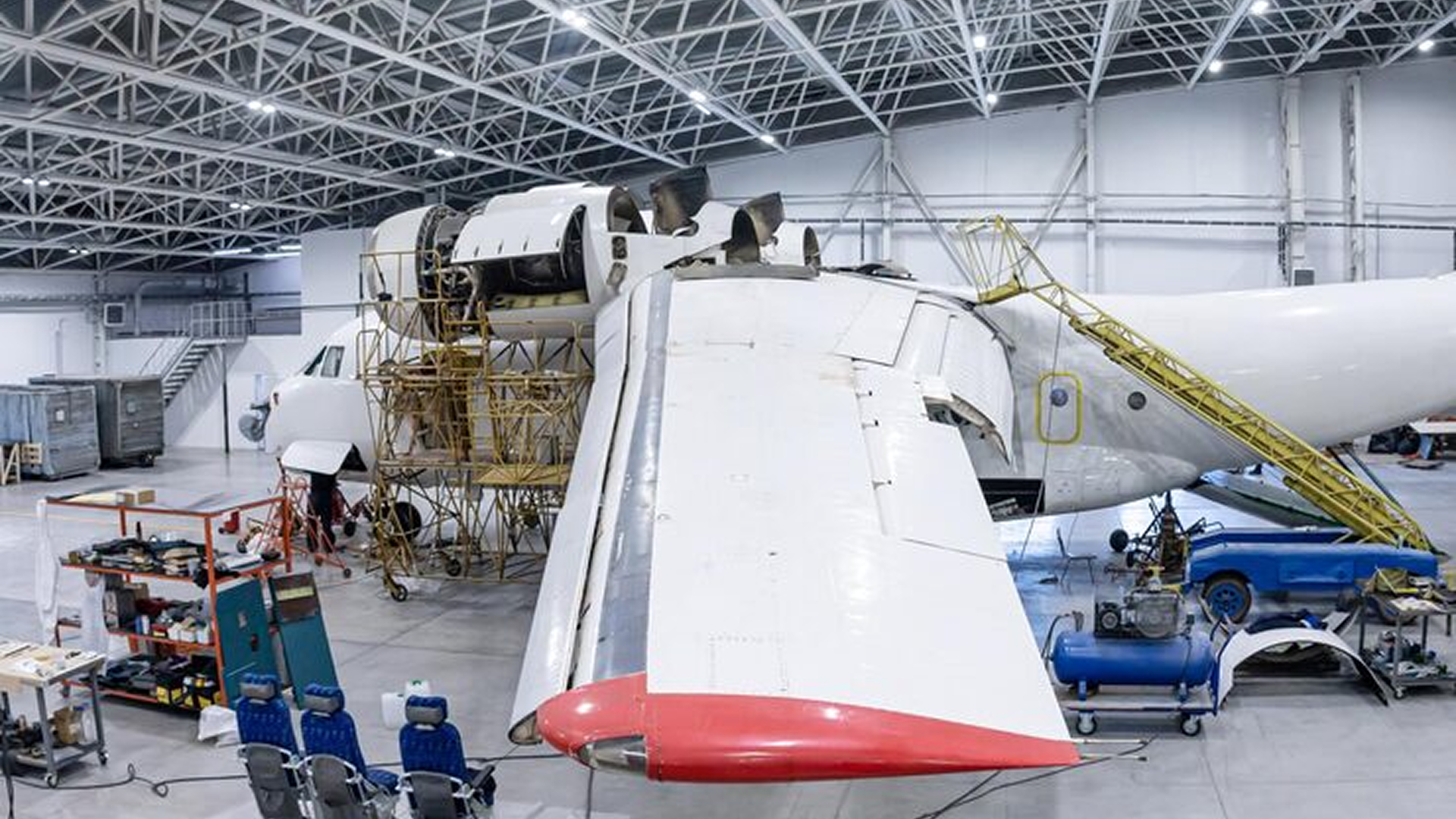
Aviation manufacturing relies on tightly controlled processes that can consistently produce parts with accurate geometry, stable dimensions, and repeatable results. The choice of process depends on part size, complexity, material, and tolerance requirements, but precision and reliability remain the top priorities.
The most commonly used processes include:
CNC Machining
CNC machining is the foundation of aviation manufacturing for both structural and non-structural components. Computer-controlled equipment allows manufacturers to hold tight tolerances while producing parts with consistent results across multiple runs.
CNC machining is mainly used for:
Brackets, housings, and mounts.
Structural interfaces and precision frames.
Components requiring accurate hole locations and flatness.
Because the process is highly repeatable, CNC machining supports both low-volume prototypes and ongoing production programs without sacrificing dimensional control.
Multi-Axis CNC Milling
Multi-axis milling is used when parts require complex geometry or precise alignment across multiple faces. By machining several features in a single setup, manufacturers reduce positioning errors that can occur when parts are re-clamped.
This approach is critical in aviation manufacturing for:
Complex housings and enclosures.
Parts with angled features or curved surfaces.
Components where alignment affects performance or assembly fit.
Reducing setups improves accuracy and helps maintain consistent tolerances across the entire part.
Precision Turning and Swiss Machining
Precision turning is used for cylindrical components, while Swiss machining is ideal for small-diameter, high-precision parts. Swiss machines support the material near the cutting tool, improving stability and accuracy for long, slender, or intricate components.
Within aviation programs, Swiss machining is often used for:
Sensor housings and connectors.
Precision fittings and fastener-like components.
Small parts with tight concentricity and surface finish requirements.
These processes are critical when even small dimensional shifts can affect system performance or reliability.
Secondary Operations and Finishing
Many aviation parts require additional operations after primary machining. These steps ensure parts meet functional and environmental requirements without compromising precision.
These requirements often involve additional operations such as:
Deburring and edge conditioning.
Surface finishing or coating preparation.
Inspection and verification before release.
Each step must be controlled to maintain part integrity and ensure compliance with aviation quality expectations.
Also Read: Aerospace and Defense Industries: How Precision Machining Plays a Crucial Role
Types of Parts Commonly Manufactured for Aviation Applications
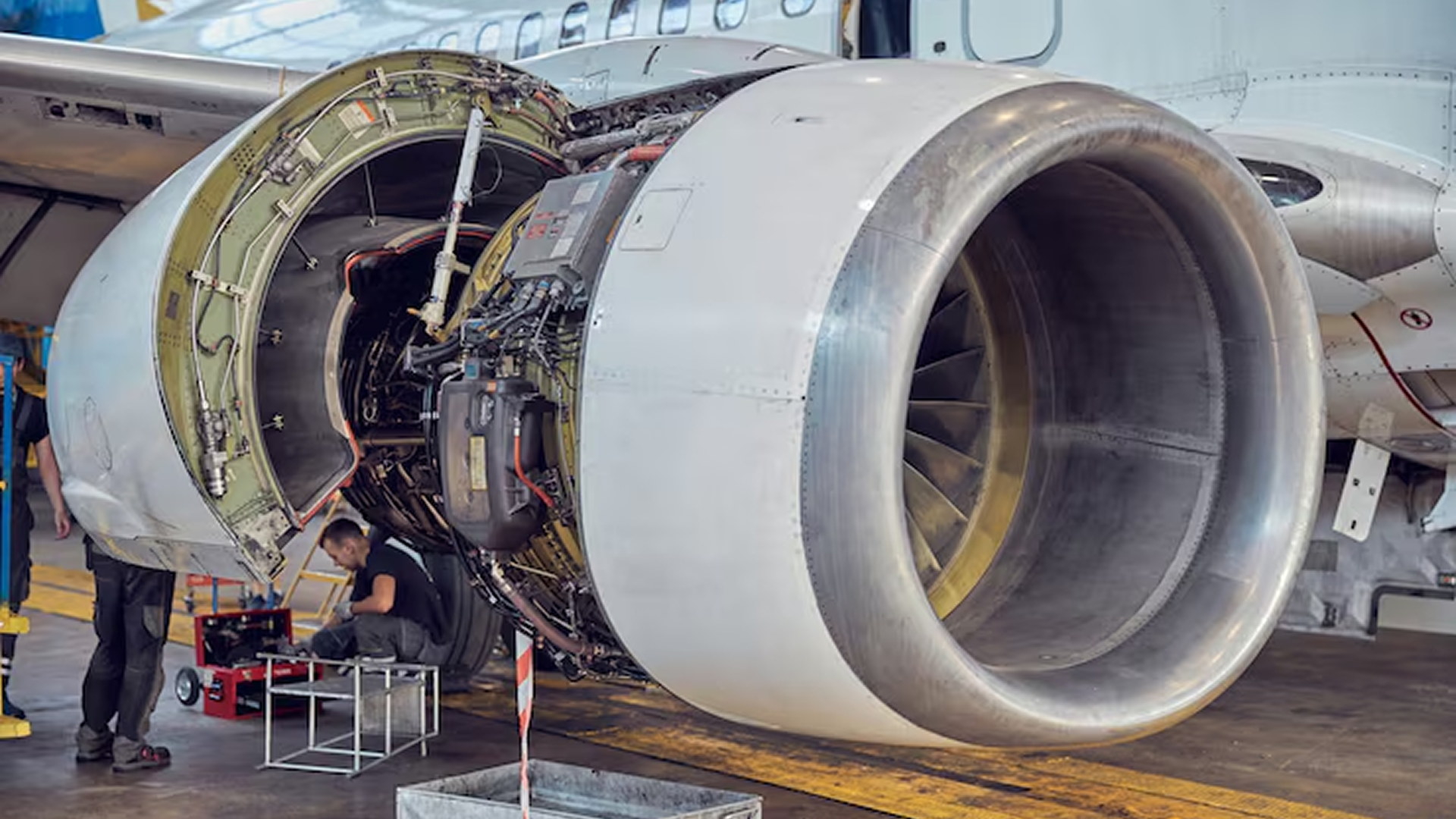
Aviation manufacturing covers a wide range of components, from large structural elements to small, exact parts that support sensing, control, and system integration. While these parts vary in size and function, they all share strict requirements for accuracy, repeatability, and documentation.
Some of the most common aviation components include:
Structural and Support Components
These parts help transfer loads and maintain alignment within aircraft assemblies. Even minor dimensional errors can create stress concentrations or assembly issues later in the build process.
Typical examples include:
Brackets and supports.
Frames and mounting hardware.
Reinforcement components.
These parts often require tight positional tolerances to ensure proper fit during assembly.
Housings and Enclosures
Housings protect sensitive internal systems and must maintain precise geometry to support alignment, sealing, and thermal performance.
These components are often used for:
Sensor and instrumentation housings.
Electronic and avionics enclosures.
Protective covers for mechanical assemblies.
Accuracy is critical here, especially where parts interface with optics, electronics, or other precision systems.
Precision Turned and Small-Diameter Parts
Small components play a critical role in performance and reliability. These parts often require tight concentricity, smooth surface finishes, and consistent repeatability across production runs.
Examples:
Connectors and fittings.
Pins, shafts, and sleeves.
Small sensor-related components.
Swiss machining is frequently used for these parts due to its ability to hold tight tolerances on small, complex geometries.
Interface and Alignment Components
Some aviation parts are explicitly designed to maintain alignment between systems. These components may not appear complex, but even minor dimensional variation can affect performance.
These include:
Mounts for sensors or optical systems.
Precision spacers and alignment features.
Interface plates between assemblies.
For these parts, accuracy over time and across batches is just as important as initial inspection results.
Why Precision Is Critical in Aviation Manufacturing?

In regulated aviation environments, precision is not a preference or a quality upgrade. It is a requirement that directly affects safety, performance, and long-term reliability.
Aircraft components operate under constant vibration, temperature changes, and mechanical stress. When tolerances are loose or inconsistent, even small dimensional errors can lead to:
Poor fit during assembly.
Increased wear or fatigue over time.
Performance drift in sensitive systems.
Costly rework, delays, or part rejection.
Precision also ensures consistency. Aviation programs often run over long timelines, with parts produced in multiple batches. Each component must match the original design intent so assemblies remain stable and interchangeable throughout the program's life.
Beyond physical performance, precision plays a significant role in compliance. Aviation parts are typically reviewed, audited, and inspected well beyond delivery. Manufacturers must be able to demonstrate that parts were produced using controlled processes and verified against defined specifications.
For aircraft and flight-critical systems, precision is ultimately about reducing risk across the entire lifecycle, not just meeting a drawing on the day a part is inspected.
Common Manufacturing Risks in Aviation Programs (and How to Avoid Them)
Aviation programs rarely fail because of a single obvious mistake. More often, delays, rework, or compliance issues stem from manufacturing risks that were not identified early or controlled consistently as programs moved from prototype to production.
Because aviation components operate in regulated environments and have long production timelines, even small gaps in process control or supplier alignment can have an outsized downstream impact.
Understanding these risks and how to mitigate them helps engineering and supply-chain teams protect schedules and reduce program uncertainty.
Prototype Builds That Do Not Reflect Production Reality
One of the most common risks in aviation manufacturing occurs when prototypes are built using methods, tooling, or inspection practices that cannot be sustained in production. While a prototype may function during testing, transferring that design to a different supplier or process often introduces variation.
This can lead to:
Tolerance drift when parts are re-tooled.
Unexpected design changes during production ramp.
Delays caused by requalification or repeated first articles.
How to avoid it: Use production-capable processes from the prototype stage. Validate critical dimensions early and build prototypes with repeatability in mind so successful designs can scale without redesign.
Inconsistent Process Control Across Production Runs
Aviation parts are often produced over months or years. When machining parameters, tooling, or fixturing are not tightly controlled, parts may gradually shift out of tolerance even if early batches were acceptable.
There can be some consequences, such as:
Assembly fit issues late in the program.
Increased inspection failures over time.
Costly corrective actions or part scrap.
How to avoid it: Maintain stable, documented machining processes and consistent inspection methods across all production runs. Process control should prevent variation from entering production.
Insufficient Traceability and Documentation
Even when parts meet dimensional requirements, incomplete documentation can result in rejection. Aviation programs require traceability that links each component to its material source, manufacturing steps, and inspection records.
Without this, teams may face:
Audit findings or shipment holds.
Inability to investigate field issues.
Program delays due to missing records.
How to avoid it: Ensure traceability is built into the manufacturing workflow from the start. Material certifications, inspection reports, and certificates of conformity should be generated and retained as part of standard production.
Supplier Handoffs and Communication Gaps
Switching suppliers between prototyping and production introduces risk, especially when design intent is not fully captured in drawings, tooling strategies, or inspection plans. Differences in interpretation can create variation even when prints remain unchanged.
This often results in:
Misaligned expectations between engineering and manufacturing.
Rework during supplier transitions.
Lost time during program handoffs.
How to avoid it: Minimize handoffs when possible. Working with a single manufacturing partner from prototype through production helps preserve design intent and reduces variability caused by process changes.
Underestimating the Impact of Small Components
In aviation systems, small parts, such as sensor mounts, housings, fittings, or spacers, often play a critical role in alignment, performance, and reliability. Because these parts appear simple, their manufacturing risk is sometimes underestimated.
Potential impacts include:
Performance drift in sensitive systems.
Premature wear or fatigue.
Difficult-to-diagnose system issues.
How to avoid it: Apply the same level of precision, inspection, and process control to small components as to larger structural parts. In aviation manufacturing, size does not correlate with importance.
Most manufacturing risks in aviation programs are not caused by a lack of capability but by a lack of consistency, documentation, or continuity. By focusing on controlled processes, repeatability, and early alignment between design and manufacturing, teams can reduce uncertainty and protect program timelines.
Across the aviation industry, risk reduction is achieved long before a part reaches final inspection.
Also Read: How Precision Machining Drives Innovation in Manufacturing
Quality, Compliance, and Traceability in Aviation Manufacturing
For flight-certified components, quality and compliance are not administrative checkboxes. They are performance requirements. A part can meet every dimensional callout on a drawing and still be rejected if its process control, documentation, or traceability is incomplete.
That is because aviation components enter regulated supply chains where failure is not tolerated, audits are expected, and accountability extends long after delivery. Quality systems exist to ensure that parts behave consistently in service.
The following controls determine whether a machined component is actually acceptable for aviation use.
Core Quality and Compliance Requirements
Requirement | What It Ensures | Why It Matters in Aviation Manufacturing |
AS9100 Quality Management System | Controlled processes, risk management, and supplier oversight. | Prevents hidden manufacturing risks from entering flight-critical systems. |
AS9102 First Article Inspection (FAI) | Validation of process capability before production. | Confirms repeatability, not just a single conforming part |
Material Traceability to Raw Stock | Serialized tracking of material heats, revisions, and inspections. | Enables root-cause analysis and containment if issues arise years later. |
In-Process and Final Inspection Control | Verification of critical dimensions and interfaces. | Reduces downstream assembly failures and in-service performance drift. |
Special Process Control | Verified handling of coatings, heat treatment, and finishing. | Protects fatigue life, corrosion resistance, and environmental durability. |
Audit Readiness and Record Retention | Documented compliance across production history. | Supports customer audits, regulatory reviews, and long-term accountability. |
These requirements exist for a reason. Aviation parts operate under vibration, thermal cycling, and mechanical stress for long service lives. When manufacturing variation is introduced, whether through uncontrolled processes, undocumented changes, or incomplete inspections, the risk compounds over time.
Strong quality systems reduce that risk by ensuring:
Processes are repeatable, not operator-dependent.
Variability is identified early, not discovered during assembly or service.
Every part can be traced, reviewed, and validated long after shipment.
Defense Aviation and Export-Control Considerations
For defense and controlled aviation programs, compliance extends beyond quality systems alone.
Manufacturers supporting these programs must also operate within ITAR and DFARS requirements, ensuring that controlled technical data, materials, and components are handled, documented, and protected in accordance with U.S. Department of Defense regulations. Failure to meet these requirements can halt programs regardless of part performance.
Also Read: Why Precision Machining is Critical in Aerospace Manufacturing
Aviation Manufacturing Support at Criterion Precision Machining
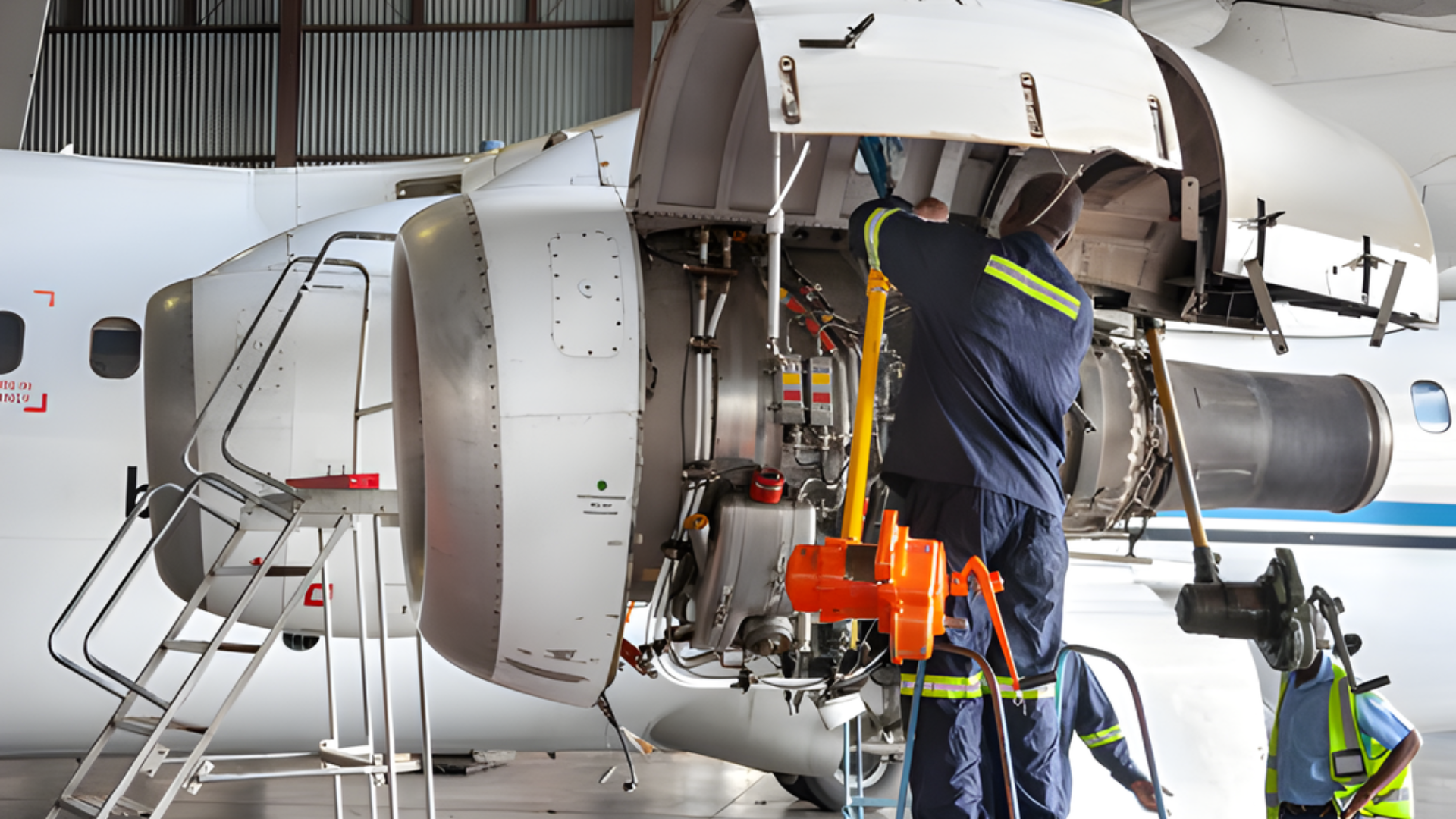
Criterion Precision Machining supports aviation manufacturing programs that require tight tolerances, consistent quality, and dependable documentation. Beyond meeting specifications, Criterion is structured to reduce manufacturing risk across qualification, scale-up, and long-term production.
With decades of experience in regulated manufacturing, Criterion works with engineering, quality, and supply chain teams to prevent common aviation program failures such as tolerance drift, requalification delays, and late-stage audit findings.
Precision Machining for Aviation Components
Criterion provides advanced CNC machining capabilities suited for aviation applications where accuracy and repeatability matter most. These include:
CNC turning for precision cylindrical components.
Swiss turning for small-diameter, high-detail parts.
Multi-axis CNC milling for complex geometries and tight alignment requirements.
These processes allow Criterion to hold extremely tight tolerances while maintaining consistency across production runs.
Support for Small, Complex, and Sensor-Driven Parts
Many aviation systems rely on compact components, including housings, connectors, mounts, and interfaces. Where generic AS9100 shops often focus on larger structural parts, Criterion specializes in small, tolerance-sensitive components where minor dimensional shifts can create system-level issues.
Criterion’s Swiss machining and multi-axis capabilities are well-suited for:
Sensor and instrumentation housings.
Precision fittings and connectors.
Alignment-critical mounts and interfaces.
This focus allows Criterion to support aviation programs where small dimensional shifts can create outsized performance issues.
Quality Systems and Compliance Readiness
Criterion operates under certified quality systems designed for regulated industries. These systems support controlled manufacturing, inspection, and documentation workflows aligned with aviation expectations.
Standard deliverables include:
Detailed inspection reports.
Material certifications.
Certificates of conformity and traceability documentation, such as ITAR/DFARS for regulated aviation and defense programs.
This infrastructure helps customers stay audit-ready and reduces friction during supplier reviews or program qualification.
By machining prototypes with production in mind and maintaining process continuity through scale-up, Criterion helps engineering teams validate designs earlier, avoid requalification cycles, and enter production with fewer surprises.
Conclusion
Aviation manufacturing is not standard machining with tighter tolerances. It is a discipline built around predictability, traceability, and the understanding that dimensional accuracy determines long-term performance. When these principles are applied early, programs avoid many of the delays, rework cycles, and compliance issues that often surface later in qualification or production.
When components must perform reliably under stress, time, and scrutiny, partnering with a manufacturer built around controlled processes and certified quality systems reduces uncertainty before production begins. Criterion Precision Machining provides the process discipline, inspection capability, and production stability needed to protect design intent from prototype through scale.
Contact us if you have aviation components moving toward qualification or designs that require manufacturability review. Our team can help assess feasibility, refine tolerance strategies, and support a stable transition into production.
FAQ’s
1. What materials are most commonly used in aviation manufacturing?
Aviation manufacturing uses high-performance materials like titanium alloys, aluminum, composites, and advanced polymers to balance strength, weight, fatigue resistance, and durability for safety and efficiency.
2. How does the aerospace parts certification process work?
Parts go through design, rigorous testing, documentation submission to authorities, inspection, and regulatory approval, such as PMA, TSO, or type certification, to ensure they meet safety and performance standards.
3. What sectors exist within aerospace manufacturing?
The industry spans commercial aviation, defense and military systems, space systems, and general aviation, each with unique regulatory and production requirements.
4. Why is supply chain management crucial in aviation manufacturing?
Aviation supply chains link global suppliers of specialized parts and materials, where timing, logistics, and compliance are essential to prevent production delays and cost overruns.
5. How does aircraft recycling fit into aviation manufacturing?
Retired aircraft are disassembled, and many parts and materials are recovered for reuse or recycling, contributing to a specialized industry that supports sustainability and the supply of materials.
7. What roles do automation and 3D printing play in aviation manufacturing?
Automation improves production efficiency and accuracy, while 3D printing enables rapid prototyping and the production of complex, lightweight parts, reducing lead times and waste.