Manufacturing teams in aerospace, medical devices, and defense often deal with designs that push machining limits. A single design with tight geometries or multi-surface features can slow development cycles, strain supplier relationships, and raise the risk of out-of-spec parts reaching production. These issues often increase internal quality checks and push lead times beyond what engineering and sourcing teams can support.
This is where specialized support for complex machined parts becomes essential. Companies that work with intricate designs need partners who can maintain precision across prototypes and production, control variation, and work confidently with challenging materials.
The precision-machined components market is projected to reach USD 264.5 billion by 2032, highlighting the increasing demand for reliable, high-quality parts. By combining advanced machining methods with strong quality systems, manufacturers can reduce delays, lower rework, and achieve predictable part performance.
This blog explores what makes a machine part complex, the manufacturing challenges involved, and the solutions available to produce high-quality, precise components.
In a nutshell:
Complex machined parts are defined by intricate geometries, tight tolerances, challenging materials, and critical functional requirements, which demand advanced manufacturing approaches.
Modern solutions like 5-axis CNC, mill-turn systems, EDM, additive manufacturing, and digital workflows enable precise and repeatable production of these parts.
Integrated quality systems and advanced inspection technologies help ensure every feature meets specifications, supports traceability, and maintains consistency across batches.
Material selection, process planning, and collaboration with experienced manufacturers help optimize manufacturability, reduce rework, and support regulatory compliance.
What Makes a Machine Part Complex?
Complex machined parts are defined by a combination of geometry, tolerances, material requirements, and functional constraints. A part is considered complex when its design challenges conventional manufacturing methods or requires specialized processes to meet performance expectations.
Key factors contributing to complexity include:
Intricate Geometries: Deep cavities, undercuts, thin walls, and multi-surface features require advanced multi-axis machining and precise tool control, making the part harder to access and machine consistently.
Ultra-Tight Tolerances: Micron-level accuracy increases sensitivity to tool wear, heat, and machine stability, demanding precision equipment and continuous inspection to maintain specifications.
Difficult-to-Machine Materials: Titanium, Inconel, hardened steels, and other high-strength alloys generate heat and cutting resistance, slow machining, and require specialized tooling with optimized parameters.
Critical Functional Requirements: Parts used for sealing, motion control, medical applications, or load-bearing must maintain exact surfaces and repeatability to meet performance and regulatory standards.
High Repeatability Needs: Complex parts that must remain consistent across batches require controlled processes, stable fixturing, and digital inspection to ensure uniform quality.
Also Read: How Precision Machining Drives Innovation in Manufacturing
Types of Complex Machined Parts
Complex machined parts come in various forms depending on their application and design demands. Some common types include:
Small-Diameter, High-Precision Components: Often produced via Swiss turning, these parts are essential in medical devices, instrumentation, and aerospace sensors. They require exact concentricity and surface finish to function reliably.
Multi-Axis Milled Components: Produced using 3-axis to 5-axis CNC milling, these parts include complex geometries such as angled surfaces, pockets, and slots that are difficult to machine using conventional processes. Aerospace brackets and optical mounts are typical examples.
Prototypes and Low-Volume Production Parts: These include early-stage product prototypes that must closely replicate final production specifications to validate design and performance before scaling up.
Assemblies with Tight Functional Integration: Parts designed to work in complex assemblies, such as surgical instruments or aerospace sensor housings, often combine multiple features and materials in a single component.
Understanding the type of complexity is the first step in selecting the right manufacturing approach, materials, and inspection methods. Next, let's see the manufacturing hurdles that teams face when producing these components.
Manufacturing Challenges of Complex Components
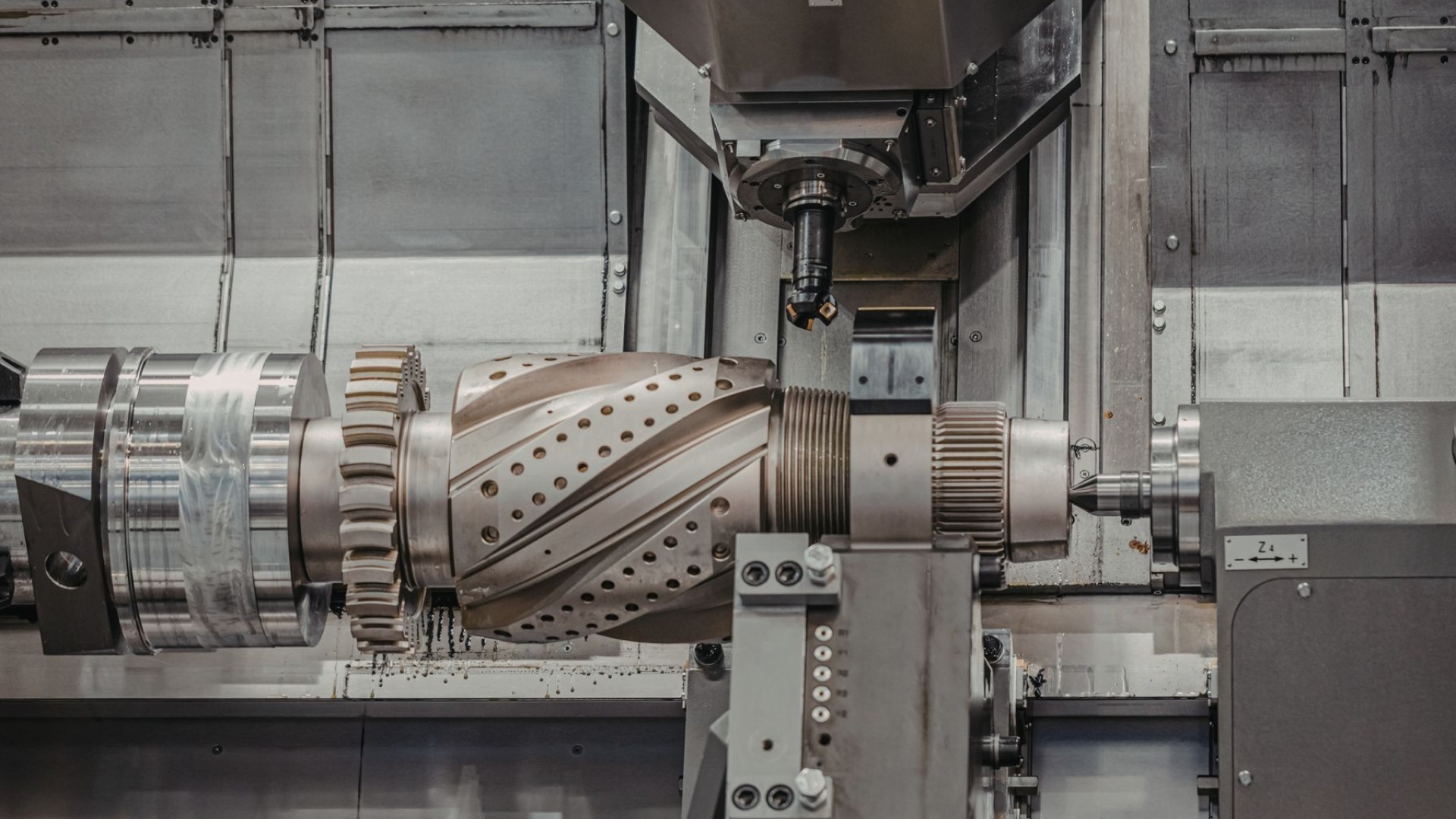
Producing complex machined parts comes with several challenges that can impact cost, timeline, and functional quality. Common challenges include:
Tight Tolerances: Maintaining dimensional accuracy across multiple features and repeated units is difficult. Even minor deviations can cause assembly failures or noncompliance in regulated industries.
Surface Finish and Functional Requirements: Parts often need smooth finishes or specific surface treatments for performance, wear resistance, or biocompatibility, adding another layer of complexity.
Material Constraints: High-performance metals and engineered plastics used in aerospace, medical, and defense applications are often difficult to machine, requiring specialized tooling, speeds, and cooling strategies.
Multi-Feature Machining: Combining turning, milling, drilling, and threading in a single part increases setup complexity and the potential for cumulative errors.
Inspection and Traceability: Meeting stringent quality and regulatory standards requires extensive inspection data, certificates, and traceability, which must be maintained without slowing production.
These challenges underscore the need for advanced manufacturing solutions, highly skilled operators, and integrated quality systems.
Also Read: Material Selection for Medical Device Components: Insights from Criterion Tool
Modern Manufacturing Solutions for Complex Parts
Advances in machining technology, equipment design, and quality systems have made it feasible to produce complex machined parts at scale, with high precision, repeatability, and compliance.
Key solutions include:
5-Axis CNC Machining
5-axis CNC machining allows tools to move across five simultaneous axes, making it easier to machine complex geometries that otherwise need multiple setups. This capability reduces positioning errors, minimizes cycle time, and improves surface integrity for high-precision components.
Multi-Angle Machining: Allows tool access from multiple directions, eliminating fixture changes and ensuring consistent dimensional accuracy across complex shapes.
Superior Accuracy and Finish: Maintains tight tolerances on contoured, sloped, and deep-cavity features, while reducing tool chatter and enhancing surface finish.
Efficiency for Complex Profiles: Enables machining of internal channels, undercuts, and organic forms that are common in medical implants and aerospace components.
5-axis machining ensures that even intricate geometries are produced with precision, throughput, and reliability, making it a cornerstone for modern part production.
Multi-Axis Turning and Mill-Turn Systems
Mill-turn machines combine turning, milling, drilling, and tapping in a single setup. This hybrid capability is essential for components requiring both rotational symmetry and complex prismatic features, such as valve bodies, shafts with pockets, and medical housings.
Single-Setup Production: Consolidates multiple operations into one cycle, improving accuracy by eliminating tolerance stack-up across setups.
Complex Geometry Handling: Enables machining of off-center features, angled holes, and milled flats without repositioning the workpiece.
Enhanced Productivity: Reduces lead times, setup hours, and manual intervention, supporting consistency in medium and high-volume production runs.
Mill-turn systems provide the versatility and precision required for components that integrate cylindrical and milled features with tight acceptance standards.
EDM (Electrical Discharge Machining)
EDM is a non-contact machining method ideal for hardened metals, deep pockets, tight internal radii, and fine details. When traditional cutting tools cannot reach or maintain tolerance, EDM offers a controlled, high-precision alternative.
Wire EDM for Intricate Profiles: Creates ultra-fine cuts, sharp corners, and thin walls without inducing mechanical stress or tool deflection.
Sinker EDM for Deep Cavities: Produces complex 3D shapes in hardened materials, ideal for moulds, dies, and aerospace components with intricate internal features.
Material Flexibility: Works effectively on superalloys, hardened tool steels, and conductive exotic materials that pose challenges for conventional machining.
EDM is particularly useful in mouldmaking, aerospace turbine components, and medical implant tooling.
Additive Manufacturing (AM) for Complex Geometries
Additive manufacturing opens new possibilities for creating lightweight, organic, or internal features that traditional machining cannot achieve alone. When paired with CNC machining, AM supports hybrid workflows that improve performance and reduce material waste.
Design Freedom: Enables lattices, internal cooling channels, and complex structures that reduce weight without compromising function.
Rapid Prototyping and Iteration: Shortens development cycles by enabling fast, cost-effective prototype creation and near-net-shape builds.
Hybrid Manufacturing Benefits: Produces preforms that can be final-machined for precise tolerances and surface quality.
AM expands what manufacturers can design and build, especially when performance and weight reduction are priorities.
Digital Manufacturing and CAD/CAM Integration
Digital workflows connect engineering, programming, and machining to create an efficient and error-resistant production environment. Advanced CAD/CAM tools allow complex geometries to be simulated, validated, and optimized before machining begins.
Toolpath Optimisation: Generates efficient, collision-free toolpaths tailored for complex surface machining and multi-axis operations.
Digital Twins and Simulation: Enables engineers to test machining strategies virtually, reducing trial-and-error and eliminating unnecessary waste.
Seamless Revision Control: Ensures smooth engineering change management, version traceability, and collaboration across design and production teams.
By integrating digital tools into machining workflows, manufacturers achieve higher accuracy, faster lead times, and more predictable production outcomes.
Automation, Robotics, and Smart Manufacturing
Automation technologies such as robotic loading, pallet systems, and integrated quality checks support consistent production of complex parts at scale. They enhance throughput while maintaining accuracy during long cycle times.
Robotic Handling: Facilitates continuous machining with minimal operator intervention, reducing variability and downtime.
Automated Tool Monitoring: Tracks wear, breakage, and dimensional drift in real time, ensuring consistency across long production cycles.
Palletisation and Flexible Fixturing: Enables quick changeovers and multi-part batching, ideal for high-mix, high-complexity operations.
Automation is particularly impactful in high-mix, mid- to high-volume environments where consistency and repeatability help teams maintain performance standards.
Advanced Inspection and In-Process Quality Control
Precision machining requires advanced inspection capabilities to verify that every feature meets specifications. In-process and post-process measurement systems ensure dimensional consistency, especially for tolerance-critical components.
CMM and 3D Scanning: Provides high-resolution dimensional verification for multi-surface features and freeform geometries.
In-Machine Probing: Compensates for tool wear, thermal variation, and part misalignment during the machining process.
Automated Data Tracking: Supports traceability, compliance, and validation, crucial for regulated industries such as aerospace and medical devices.
These inspection technologies safeguard consistency and ensure every complex part performs exactly as designed.
Together, these solutions help manufacturers maintain the precision, efficiency, and compliance required for complex parts in regulated industries. Next, let's discuss the tolerances and quality systems that make complex machining reliable.
Tolerances, Quality, and Inspection Capabilities
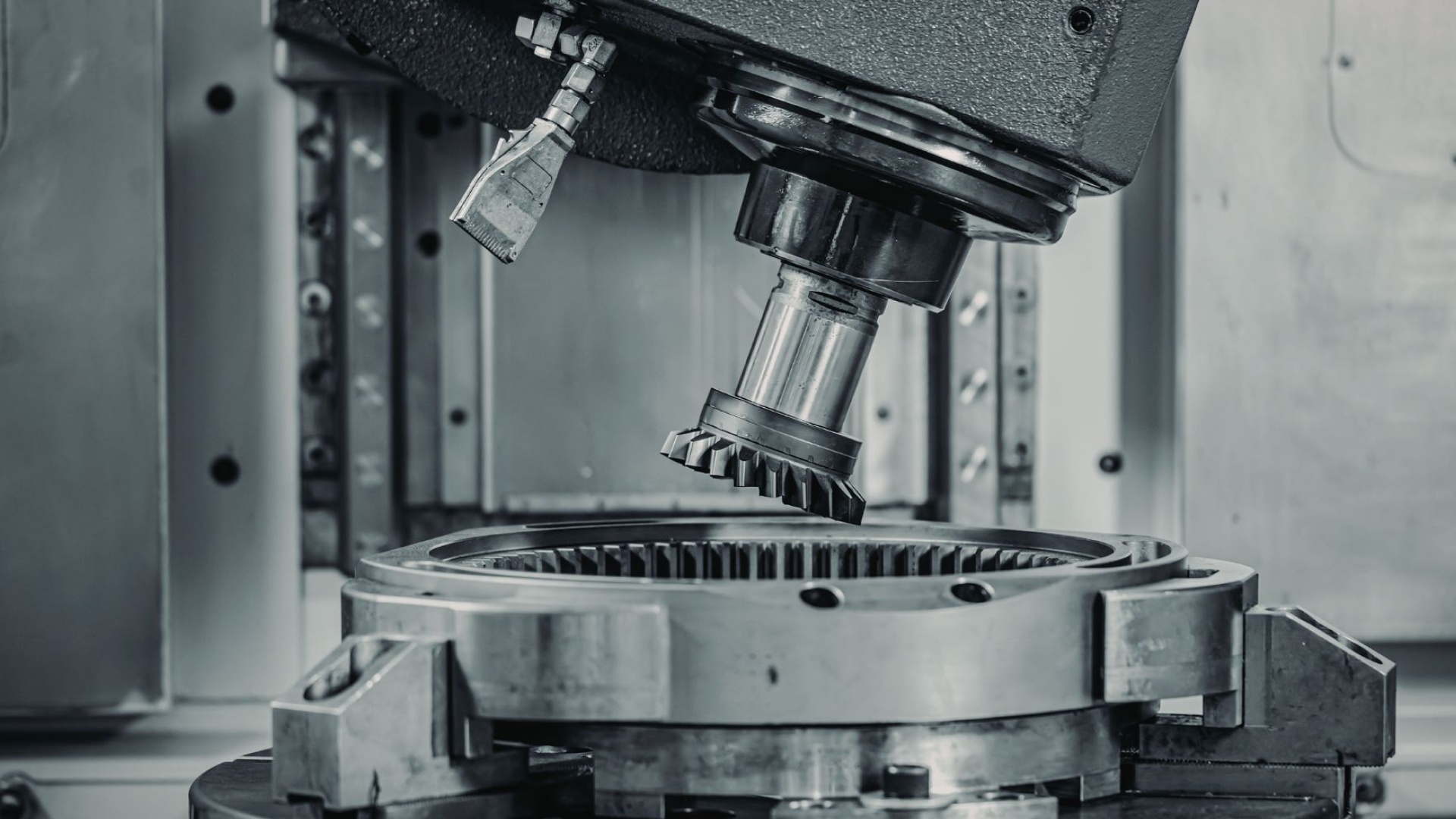
Precision is central to complex machined parts, and robust quality systems ensure each component meets design intent and regulatory standards.
Tolerances
Tight tolerances define the performance window within which a part must be manufactured to ensure correct fit, alignment, and function. In complex components, tolerances often fall into the microns or ten-thousandths of an inch, especially for aerospace, medical, scientific, and high-precision industrial applications.
Advanced CNC strategies, stable processes, and high-accuracy machines work together to meet these demanding specifications.
Typical Tolerance Ranges for Complex Machined Parts
Feature / Requirement | Typical Achievable Tolerances | Notes |
Dimensional tolerances on milled features | ±0.005 mm to ±0.02 mm | Depends on size, geometry, and material stability |
Turned features | ±0.002 mm to ±0.01 mm | Excellent stability with multi-axis turning centers |
Surface finish (Ra) | 0.2–1.6 µm | Achieved through finishing passes and tooling strategy |
Geometric tolerances (GD&T) | 0.01–0.05 mm | Includes flatness, roundness, and perpendicularity |
Feature-to-feature positional accuracy | ±0.0002 mm or tighter | Requires precision workholding and calibrated machines |
Controlling tolerances at this level helps ensure stable performance, reduces rework, and protects long-term reliability, especially for mission-critical components where even minor deviation can affect functionality.
Quality
Quality is more than meeting specification sheets; it’s about establishing a repeatable manufacturing framework that ensures every part remains consistent from first piece to last.
For complex machined parts, quality systems integrate process planning, validation, traceability, documentation, and compliance with industry-specific regulations.
Key Elements of a Strong Quality Framework:
Process Control: Uses standardized work instructions, statistical monitoring, and documented workflows to ensure stability from first article to final part, reducing variation and improving repeatability.
Material Qualification: Evaluates raw material certificates, hardness levels, and metallurgical properties to ensure the input material will behave predictably throughout machining and downstream processes.
Regulatory Compliance: Adherence to ISO, AS9100, medical-grade validation, documentation controls, and customer-specific requirements protects product integrity and trust.
In-Process Verification: Integrates real-time checks during machining to catch deviations before they propagate, improving yield and reducing the risk of rework or scrap.
A strong quality framework ensures every part delivered not only meets specifications but also maintains consistency across batches, revisions, and production volumes.
Inspection Capabilities
Advanced inspection capabilities ensure that every dimension, surface, and geometric feature is validated with precision. As part complexity increases, traditional manual methods become insufficient, making automated and digital metrology essential for accuracy and speed.
Core Inspection Technologies for Complex Machined Parts
Coordinate Measuring Machines (CMMs): Enable precision measurement of complex geometries using tactile or non-contact probes, ideal for tight tolerances and intricate features.
Optical and Vision Systems: Capture high-resolution surface and profile data without physical contact, ideal for delicate, micro-machined, or highly detailed parts.
Laser Scanning and 3D Metrology: Generate full-surface point clouds for comparing manufactured parts against CAD models, enabling rapid validation of intricate features.
Surface Roughness Profilers: Measure micro-scale textures to verify finish requirements, ensuring parts meet functional and aesthetic criteria.
Together, these inspection systems ensure every part is validated with traceable, repeatable, and data-rich methods; essential for industries where reliability and performance cannot be compromised.
In the following section, let’s look at how material choice and process strategy influence manufacturability and performance.
Material and Process Considerations
Material selection and process strategy are key when producing complex machined parts. Different materials and intended use influence tooling, machining parameters, finishing, and inspection.
High-Strength Metals: Titanium, stainless steel, and specialty alloys require precise control of cutting forces, speeds, and tool wear to prevent deformation or heat-induced defects.
Engineered Plastics: Machining plastics demands careful consideration of thermal expansion, surface finish, and material stress to avoid warping or cracking.
Process Planning: Optimized tool paths, fixture design, and cutting strategies are necessary to achieve complex geometries without compromising accuracy or surface quality.
Thermal and Mechanical Stress Management: Maintaining part stability during machining prevents dimensional drift, particularly for thin walls or long, slender features.
Prototype-to-Production Consistency: Processes must be scalable to move from single prototypes to high-volume production while maintaining quality, tolerances, and material performance.
Selecting the right combination of materials and machining strategies ensures parts meet functional and regulatory requirements across all production stages.
How Criterion Precision Supports Complex Part Manufacturing?
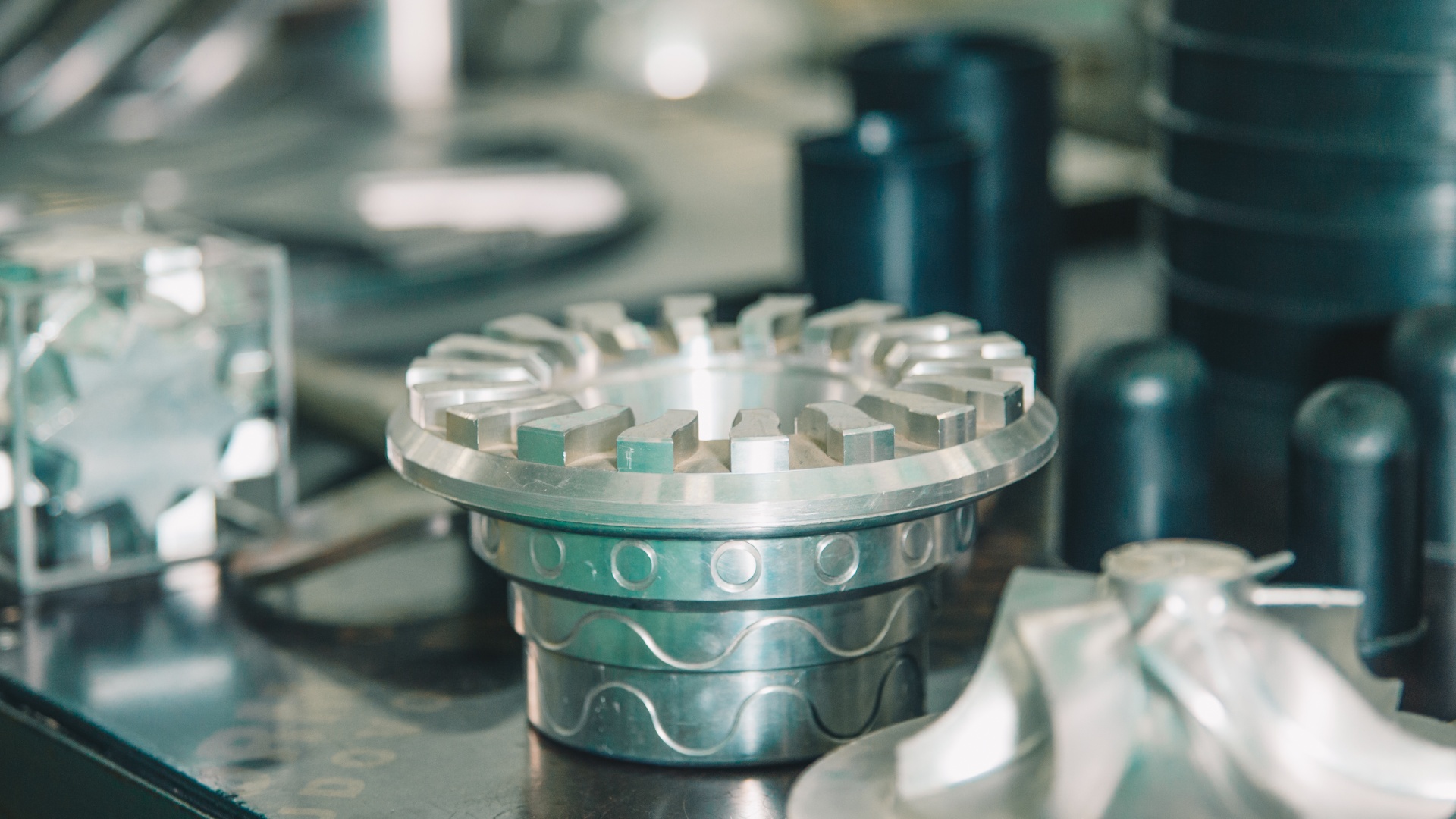
Criterion Precision Machining leverages decades of experience and advanced capabilities to support manufacturers in producing complex machined parts for regulated industries.
Here’s how we can assist you:
Integrated Capabilities: CNC turning, Swiss turning, and multi-axis milling under one roof enable a seamless transition from prototype to production.
Tight-Tolerance Expertise: Decades of experience allow machining of components with tolerances down to ±0.0002 inches, ensuring high repeatability and precision.
Regulatory Compliance: ISO 13485, ISO 9001:2015, FDA, ITAR, and DFARS registrations support audit-ready delivery for medical, aerospace, and defense clients.
Material Versatility: Machining capabilities span metals and engineered plastics, allowing flexibility for diverse applications.
Comprehensive Documentation: Complete inspection reports, certificates of conformity, and traceability records reduce compliance risk and simplify customer audits.
Prototyping and Production Continuity: Rapid prototyping supports design validation and manufacturability analysis, while production volumes can scale from single pieces to 100,000+ units without switching suppliers.
Collaborative Engineering Support: Criterion works closely with engineering teams to optimize design-for-manufacturability, material selection, and tolerance stack-ups, improving efficiency and reducing rework.
By combining expertise, advanced equipment, and regulatory compliance, Criterion Precision helps companies manufacture complex parts efficiently, accurately, and compliantly.
Conclusion
Complex machined parts are essential for high-performance, mission-critical applications in industries like aerospace, medical devices, automotive, and industrial machinery. Producing them requires advanced machinery, skilled operators, robust quality systems, and careful material and process planning.
Modern manufacturing solutions, including CNC turning, Swiss turning, multi-axis milling, rapid prototyping, and integrated quality systems, help manufacturers meet tight tolerances, ensure compliance, and deliver reliable components. Partnering with experienced providers like Criterion Precision Machining can improve the efficiency and reliability of producing complex machined parts.
For companies seeking reliable solutions for high-precision components, reach out to us today to explore how we can support your complex part manufacturing needs.
FAQs
1. What are the key capabilities of CNC machining for complex parts?
CNC machining offers tight tolerances, multi-axis flexibility, and the ability to create intricate geometries with high repeatability. It supports a wide range of materials, ensures consistent quality, and enables efficient prototyping to production. These capabilities make it ideal for precision-driven, complex part requirements.
2. How long are typical lead times for complex machined parts?
Lead times vary based on part complexity, material availability, tooling needs, and volume. Typically, complex parts take 2–6 weeks, though highly intricate components or regulated industries may require longer. Fast-turn shops may shorten timelines with advanced automation and streamlined workflows.
3. What is 5-axis machining and its role in complex parts?
5-axis machining allows cutting tools to move across five axes, enabling access to multiple surfaces in a single setup. This reduces fixturing, improves accuracy, supports intricate geometries, and enhances surface finishes. It’s essential for producing high-precision, complex parts with faster turnaround.
4. How do manufacturers handle high-volume production of complex parts?
Manufacturers use automated CNC cells, multi-spindle machines, and process standardization to maintain speed and consistency. They optimize tool paths, use high-performance tooling, and apply in-process inspection to reduce errors. Scalable workflows ensure quality and repeatability even as production volumes increase.
5. Can complex machined parts include finishing and assembly?
Yes, many manufacturers offer end-to-end services including deburring, polishing, anodising, plating, painting, and coating. They can also perform sub-assembly, hardware installation, and fit checks. Integrating finishing and assembly ensures parts meet performance, durability, and cosmetic requirements while reducing supplier coordination.